Communities are where we create and live our lives. A community is not merely a place; it is the social bonds, culture, shared values, history, and sense of belonging.
Humana People
to People
Progress Report 2025
www.humana.org
The Federation for Associations connected to the International Humana People to
People
Movement comprising 30 national organisations
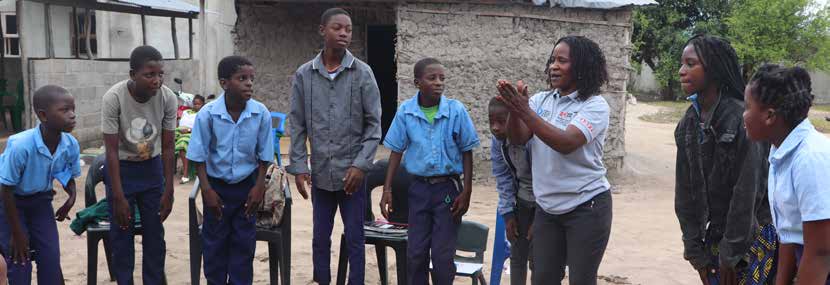
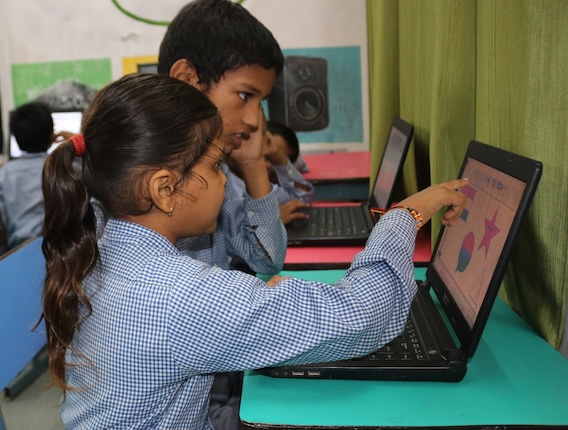
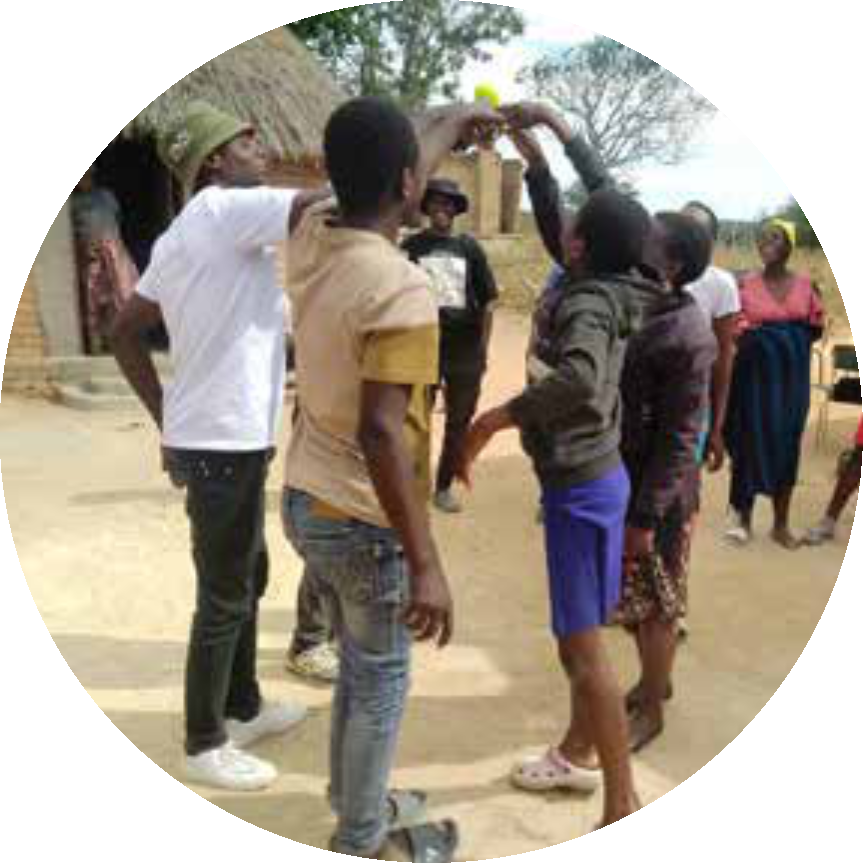
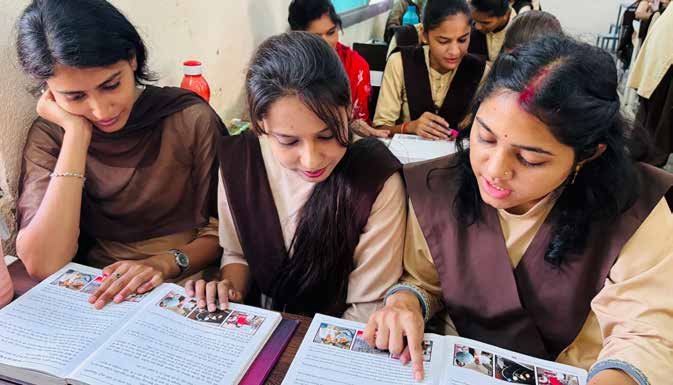
Girls and boys learning in school environments supporting inclusive education and safe spaces in Mozambique.
Table of
Contents
3
Humana People to People - Progress Report 2025
We are united in our purpose: to tackle the most pressing social, economic, environmental, and humanitarian challenges in the world, with a substantial part of the funding for the activities in the Global South coming from our members and associates in the Global North through their joint environmental and fundraising activities.
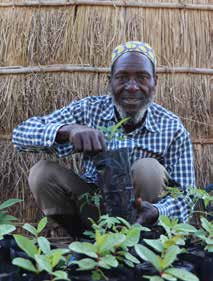
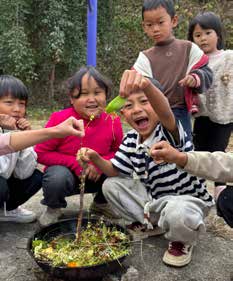
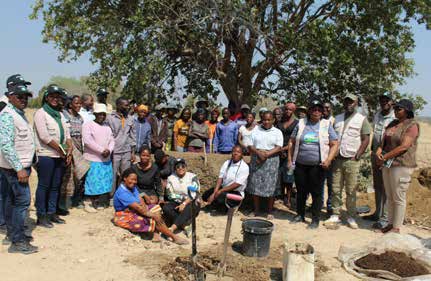
4
Who We Are
The Federation for Associations connected to the International Humana People to People Movement comprises 30 independent national organisations.
Our members, whether from Africa, the Americas, Asia, or Europe, share the same values, aspirations, and vision when undertaking development work globally.
We draw our strength from our people-to-people development approaches. We support communities to take collective action on local challenges and create lasting, shared transformation together.
Our programmes include Education, Health, Sustainable Agriculture, Environment, Community Development, Humanitarian Action, and Reuse and Circularity in Textiles.
We actively integrate climate actions across all areas and work closely with communities to strengthen climate adaptation and resilience.
We have always engaged with local communities by listening to their needs, learning from their experiences, and incorporating their perspectives into our programmes.
This collaborative approach enhances our development strategies and responses to emerging, complex challenges.
We align our development work with the UN 2030 Agenda as well as national and continental development strategies. Together with the people in the communities and our numerous partners, we continue to stand by countries as they strive to meet the Sustainable Development Goals, creating lasting positive change in the process.
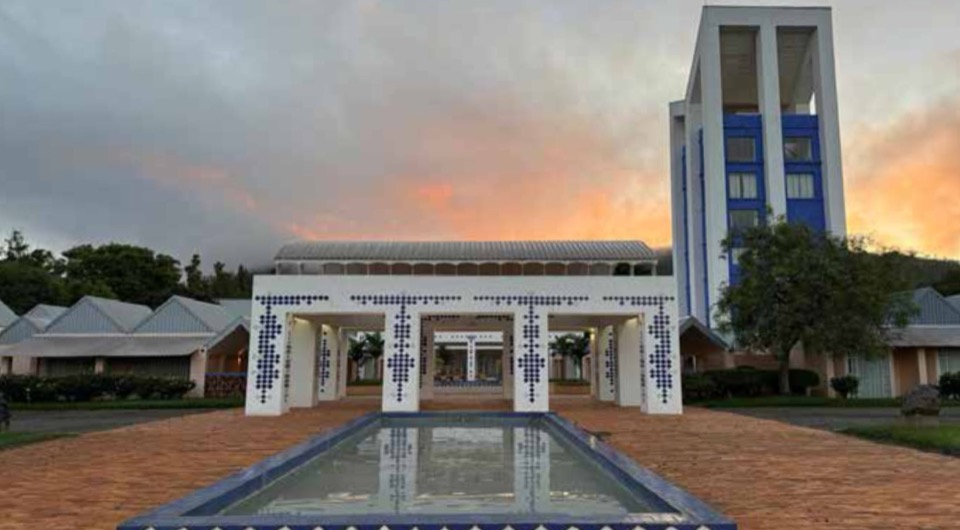
The Humana People to People International Headquarters in Shamva, Zimbabwe
You may also know us as



UFF
5
Humana People to People - Progress Report 2025
5
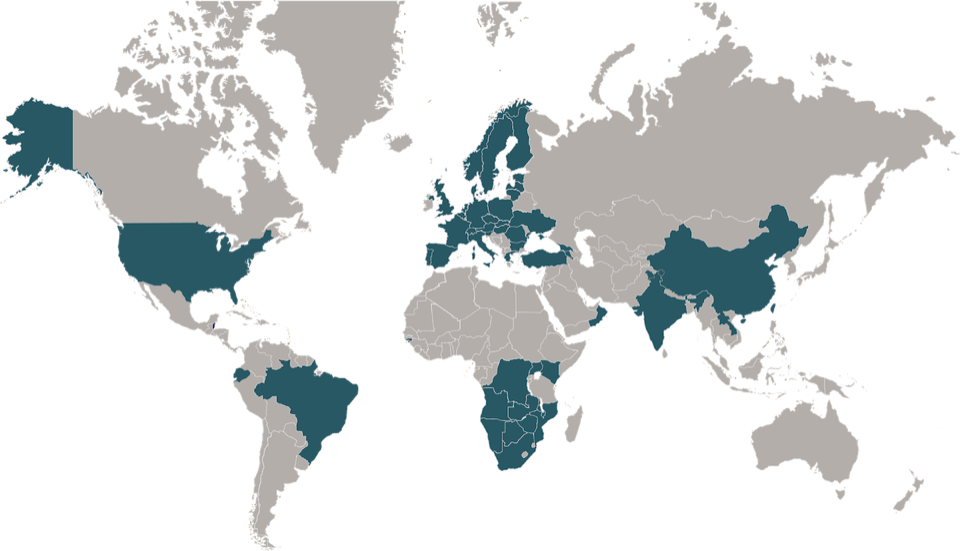
continents
17.1M
people reached
1,856
project units
49
countries
6
Chairman’s Welcome
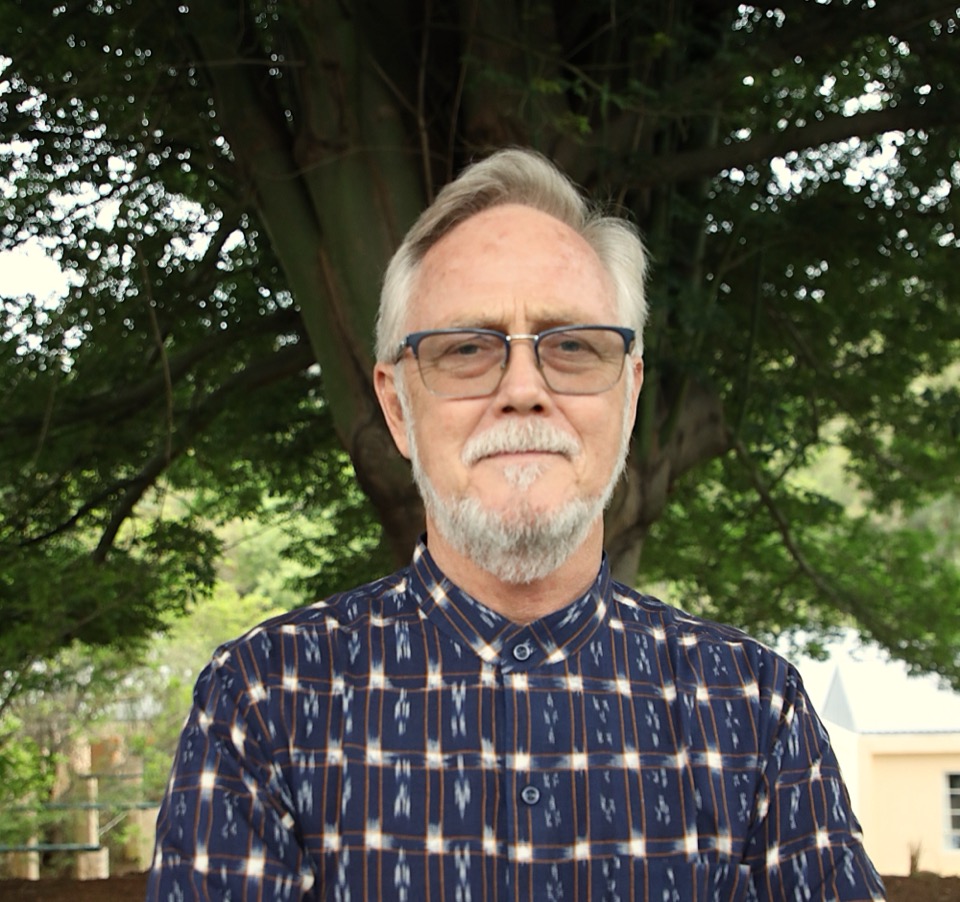
I welcome you to Humana People to People’s Progress Report 2025. Looking back at the year, the World was in dire need of peace. Today, even more so. This is the world in which we, in the Humana People to People movement and everybody else, live and act, and where we do our part to build and maintain peace as a precondition for and part of any development.
Peace will not be a constant, but we must consciously build it together, all the time, by caring for one another, ourselves, and the planet. This is reflected in our programmes across all areas. Peace can’t exist without unity among the people, and we promote it at every level. Hope comes from seeing a way forward and taking action in that direction, and it grows, like maize in the field after the good rains, in our programmes and projects.
Solidarity is our birthplace. ”From- People-to-People” was, back in the day, a vision, the unifying idea. Today, it is the reality we live. Resilience is the strength we build together, primarily with the millions of people we work with in our projects, but also within our organisation. Self-reliance dates back a long way in our history, which was shaped alongside newly independent nations in southern Africa, liberated from colonialism, and it has become more crucial than ever in a world with unpredictable alliances.
That leads me to respect and love for life. How could we not be saturated by that, given everything mentioned above? The joy of working together with other people, of all ages, colours, trades, beliefs, and cultures – you name it – a truly colourful bunch, no matter where we are – the joy is unbeatable.
Humana People to People has the call for peace and what it takes to get it, ingrained in our DNA.
I hope you will enjoy our report about the progress we have made together in 2025. As usual, you will only get a small taste of it, but hopefully enough to share our way forward in 2026!

Snorre Westgaard, Chairman
7
Introduction
“An estimated 808 million people were living in extreme poverty—up from the previous estimate of 677 million.”
United Nations Statistics 2025
At its heart, a community is more than a collection of individuals, whether it is a village, a neighbourhood in a township, a group of mothers, or a school with its children, teachers and parents. It is a dynamic, living network built on key pillars that foster connection and purpose.
People thrive in their communities when they feel a sense of belonging and engage in interactions with one another. Belonging is a fundamental human need. A shared identity becomes the lens through which members view their world and their place within it.
When people get together to identify what needs to be addressed in their community, formulate solutions to pursue, and take action, they create sustainable development from within.
Daily life is characterised by small and large efforts by every community member to meet basic needs, and these efforts make communities work. But these valuable efforts can be overturned in the blink of an eye – by a storm, heavy rain or no rain at all, or by changes stemming from world events far away.
When organised together in structures with clear leadership and functional democratic spaces, communities can unleash their potential. They often surprise even themselves with the richness of their visions and creativity. Such communities are better equipped to address their needs and respond to local challenges.
9
Humana People to People - Progress Report 2025
How We Respond?
In our Community Development programmes, groups of people, families and individuals focus on improving their conditions. They are at the forefront of driving their own development.
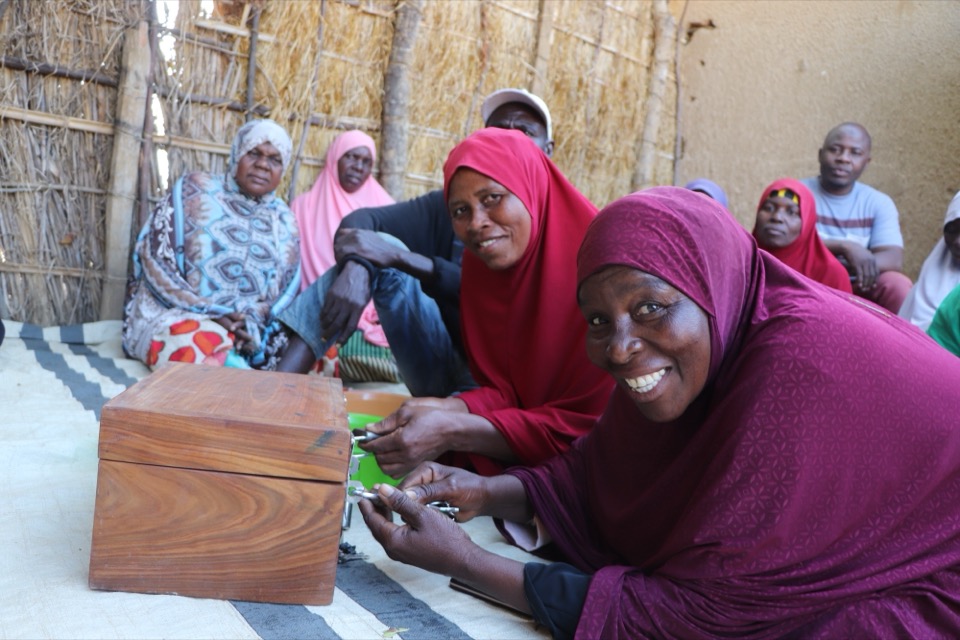
People within a community form Action Groups, and they develop community-based structures that advance community development, stay for the long haul, and build sustainability. People get together, identify their needs, decide on which actions to take, and chart a course that enables both persistent issues and newly discovered problems to be addressed.
A cascade of actions takes shape: a savings club is established, a common garden supplies vegetables to needy villagers, young people learn new skills, a water point is protected, regular cleaning actions take place in the marketplace, the children learn to move safely along the roads, and the community meeting place is adapted for those with walking difficulties. Climate actions, such as tree planting and measures to prevent mudslides, are incorporated. Just to mention a few.
The Action Groups create an environment of inclusivity and flexibility, and the decision-making takes all on board. Children and youth are counted on as a driving force, and they build experience by acting together with one another and with older generations in their communities. Lives are improved.
The Project Leader often resides in the community and plays a key role in making it all happen.
10
Humana People to People - Progress Report 2025
Community Development
throughout
Humana People to People

772,000
people reached
13
countries

262
project units
116,200
families

Humana People to People has engaged in Community Development together with the people ever since the start of the movement.
11
Humana People to People - Progress Report 2025
Organising Women
for
Sustainable Livelihood in India
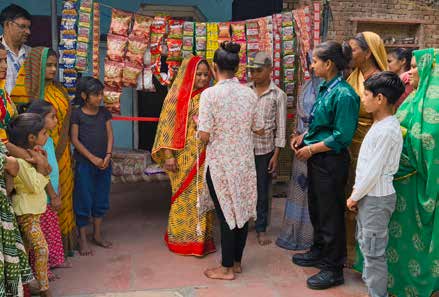
Across 17 states of India, women are working together to improve their lives within the Livelihood and Community Development projects run by Humana People to People India.
Women, organised in local structures called Self-Help Groups, receive capacity building and use it to identify local challenges and formulate local solutions. Collectively, women engage in the transformative actions and are utilising the local public schemes. Based in the Self-Help Groups, women start their own enterprises, apply for microloans, and build connections with financial institutions. In women’s clubs, women have a safe space to discuss their issues, develop solutions, and raise social concerns.
Over the last five years, 65,800 women were trained in entrepreneurship, and over 20,000 (approx. 30%) of them went on to start or expand small enterprises.
A significant number of women lack valid identification documents required to access government services. Alone in 2025, 1,400 women were assisted to opening bank accounts and getting identity documents. The new documents enabled the women to access government financial aid, free education, and healthcare services.
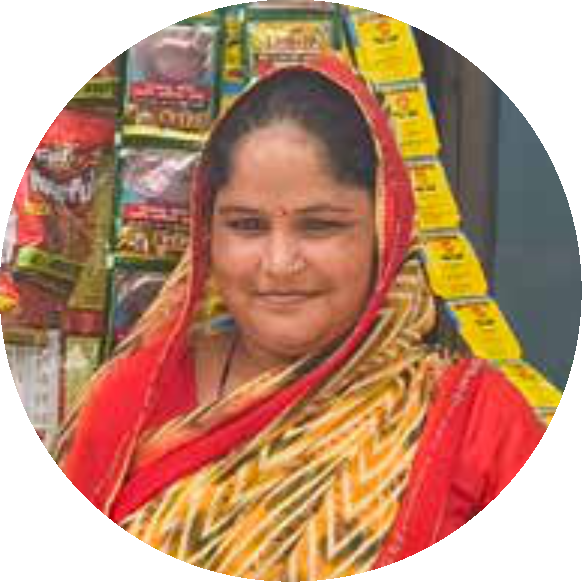
In April 2025, I participated in a three-day entrepreneurship training for women.
Baby Devi, Women Entrepreneur, Agra, Uttar Pradesh
We were taught how to start a business, make a budget, and join Government schemes. It inspired me to start something of my own.
With US$58.50, I started a small grocery shop at home.
Slowly, my daily sales grew to US$8.20-$9.40. Using my savings, I bought a small kiosk and moved my shop to a more visible location.
The project team has helped me to register and benefit from the Government’s small business funding schemes.
They visited me regularly, offering advice on improving my setup and managing my shop more efficiently.
Additionally, I sold milk and engaged in some farming. Today, I earn around US$140 per month.
I no longer feel the burden of being a widow, for life has improved significantly. My children now go to school, we eat nutritious food, and my mother-in-law is proud of what I have achieved. One day, I hope to support and inspire other women in my village to become self-reliant too.
12
Humana People to People - Progress Report 2025
Fighting family
malnutrition
in Congo, D.R.
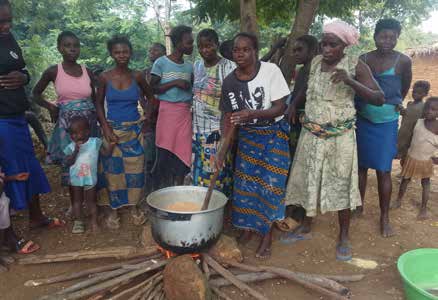
Humana People to People Congo is building the capacity of communities to improve family nutrition through the Child Aid Kimpese project. Communities are tackling poor nutrition and taking action.
Over 600 families in the community of Kimpese, Songololo territory, in Congo Central Province, Congo, D.R., are adopting sustainable farming practices to grow vegetables, promote dietary diversity, and improve water, sanitation, health, and hygiene.
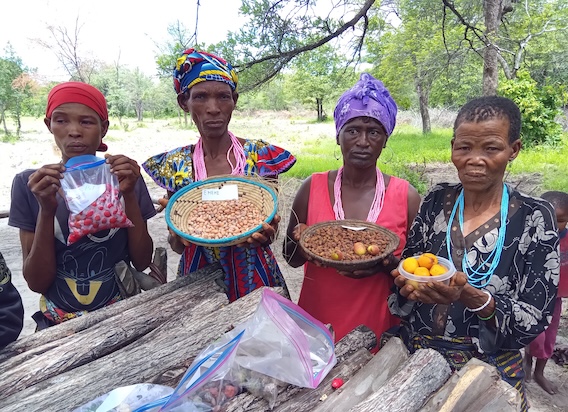
The families come together in 20 Family Action Groups. Each group holds training sessions on growing various vegetables, and members participate in cooking demonstrations featuring recipes for local vegetable varieties.
Every week, families participate in lessons on water, sanitation, health, and hygiene. People ask questions, share experiences, and adopt better health and hygiene practices.
64 health and water committee members, trained in basic health and water management, engage family members to improve access to clean and safe water sources, which is crucial for reducing diarrhea disease affecting them, particularly children under five.

My village was not known for eating vegetables, but now it is a different story.
Jules Dikula, Child Aid Kimpese, Songololo Territory, Congo Central Province, Congo, D.R.
Families now see the importance of preparing vegetables, combining them with other foods in various recipes, making them not only healthy but also very tasty.
Eating habits and hygiene in many households have improved. Many people now keep their homes and communities clean.
My family was inspired after attending a cooking demonstration with recipes such as ‘vegetables, smoked fish, and peanut butter’ and ‘soybean and maize porridge.’ The demonstration focused on cooking amaranth, a locally grown vegetable available year-round. It involved using groundnuts, soybeans, and maize, which are also grown locally for sale in larger towns.
The most memorable moment was the food tasting. Each person’s face showed surprised satisfaction. It was their first experience with such a teaching and learning method. Their excitement was evident in the small group discussions as they walked home.
I hope that in the future, our village will not face the challenge of malnutrition again.
13
Humana People to People - Progress Report 2025
Introduction
Smallholder farmers produce up to 70% of the food in Asia and sub-Saharan Africa. They are the pillars of the global food system, the backbone of rural economies, and must become a vital defence against the impact of current and future climate shocks.
“Between 713 and 757 million people may have faced hunger in 2023 – one out of 11 people in the world, and one out of every five in Africa.”
FAO, IFAD, UNICEF, WFP and WHO (2024)
While billions of people depend on their products, the smallholder farmers themselves often face significant challenges, including climate change, resource scarcity, and limited access to land, input and markets. This can be changed.
Farmers can achieve higher yields by adopting sustainable farming practices. When doing so, they promote food security, improve the health and well-being of their own families and entire communities. When they earn cash income, they help drive development in the rural areas where they live. Since sustainable farming methods are more labour-intensive, they also create jobs, which further support overall development.
By adopting basic yet effective methods to combat climate change, farmers not only protect the land and their livelihoods but also build resilience, both in the short and long term. Conservation farming, agroforestry and water harvesting are among the methods that work.
When they are practised alongside approaches that strengthen local community structures and are supported by government policies, communities thrive and become more resilient to economic and climate shocks.
Smallholder farmers are often excluded from the formal economy, key value chains, and market access in rural areas, despite their obvious contributions. Additionally, women farmers often encounter difficulties in securing land ownership and control over their economy.
These are some of the pressing issues that Humana People to People agriculture projects address.
15
Humana People to People - Progress Report 2025
How We Respond?
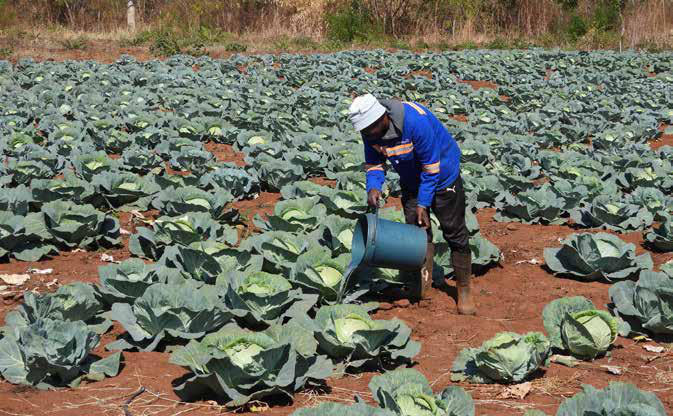
In our Farmers’ Clubs programme, the farmers and their families are at the centre of the activities. Farmers organise in clubs of 50 members, further divided into core groups of 10, each led by one of their own. Here, farmers access training, strengthen cooperation, address challenges, and develop sound ethical practices in harmony with nature.
Each core group has a Farmers’ Field School, a platform for practical training and transfer of new knowledge that helps farmers to compare conventional farming to sustainable and traditional methods.
The Farming Instructor, who lives among the farmers, holds weekly training sessions. Farmers learn mulching, intercropping, moisture retention, zero tillage, organic farming, drought-resistant crops, crop diversification, internal savings and lending, small-livestock rearing, agroforestry and horticulture production.
They also exchange traditional knowledge and assess its relevance in the current conditions. Collectively, farmers organise the sale of their produce at local markets and further afield, formalise land ownership, and invest in technology for irrigation and processing.
16
Humana People to People - Progress Report 2025
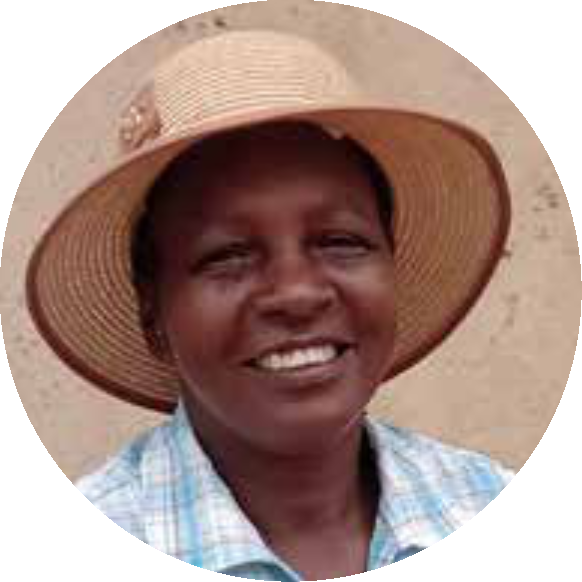
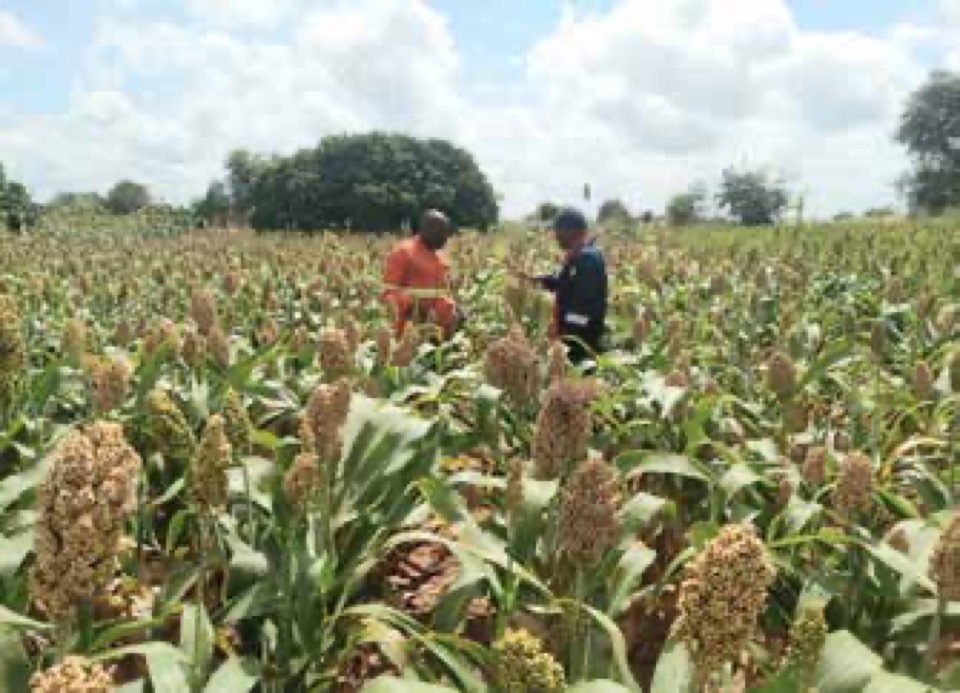
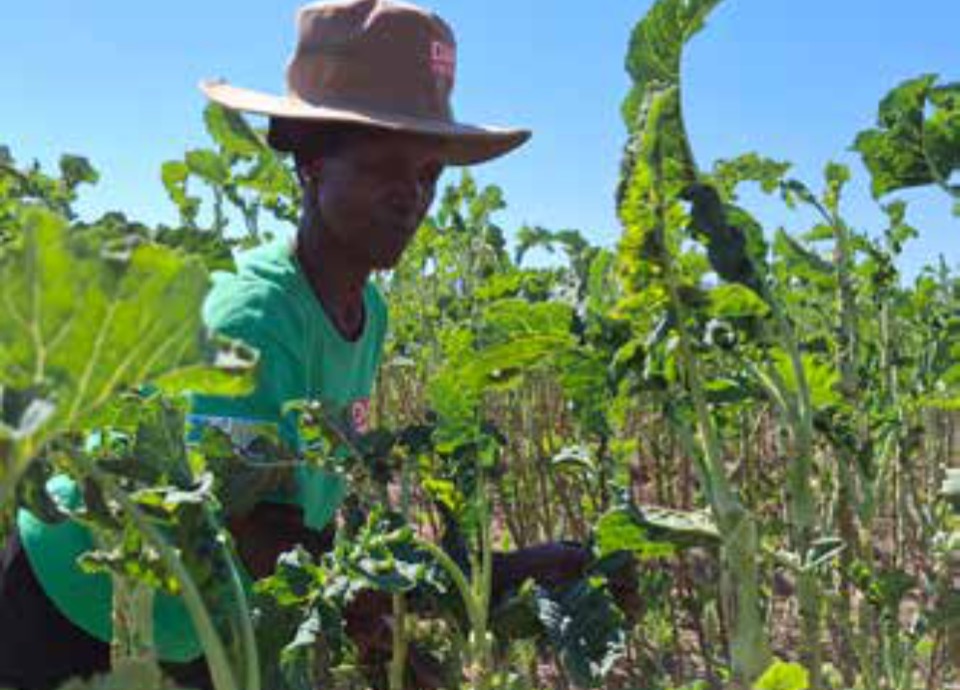
My participation in our local Club has transformed my farming approach.
Margret Nhidza, Farmers’ Clubs Gutu, DAPP Zimbabwe
My participation in our local Club has transformed my farming approach. I learned to grow high-value vegetable crops such as garlic, spinach, tomatoes, cabbage, and king onions. I have increased the variety of vegetables from three to seven. The club’s training sessions empowered me with marketing skills, which I have used to maintain good relationships with my customers.
I grow my vegetables using organic farming practices that have improved the quality of my produce and attracted new customers. My customers include walk-in individuals, the nearby primary school, and the local district open market. I have succeeded in building a decent local customer base, earning a favourable income from my sales.
I now earn US$160 per month, and my increased income enables me to pay my medical bills, cover my two grandchildren’s school fees, and buy food supplies for my family.
I have deepened my well and bought a water pump set, which is helping with watering the vegetables.
17
Humana People to People - Progress Report 2025
A variety of Climate Actions
in Brazil
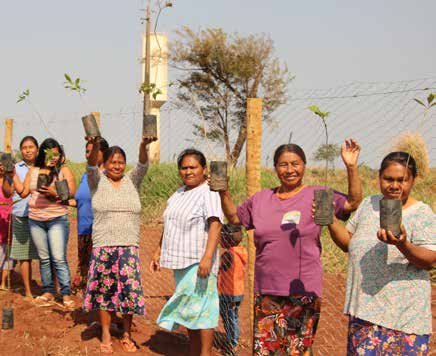
Structural inequalities are addressed by prioritising disadvantaged community groups that have been historically excluded from decision-making spaces
Within the Farmers’ Clubs programme run by Humana Brazil, farmers help each other in protecting the environment. Local structures, such as producer groups, cooperatives, and community networks, take part in capacity-building training, planning and implementation. They assess, adjust and adopt new methods to strengthen family farming value chains and participate in local climate actions.
Structural inequalities are addressed by prioritising disadvantaged community groups that have been historically excluded from decision-making spaces, ensuring inclusivity, equity, and sustainable development.
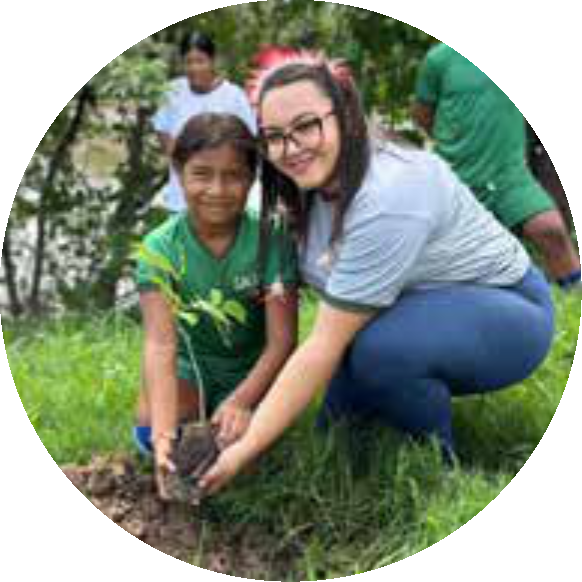
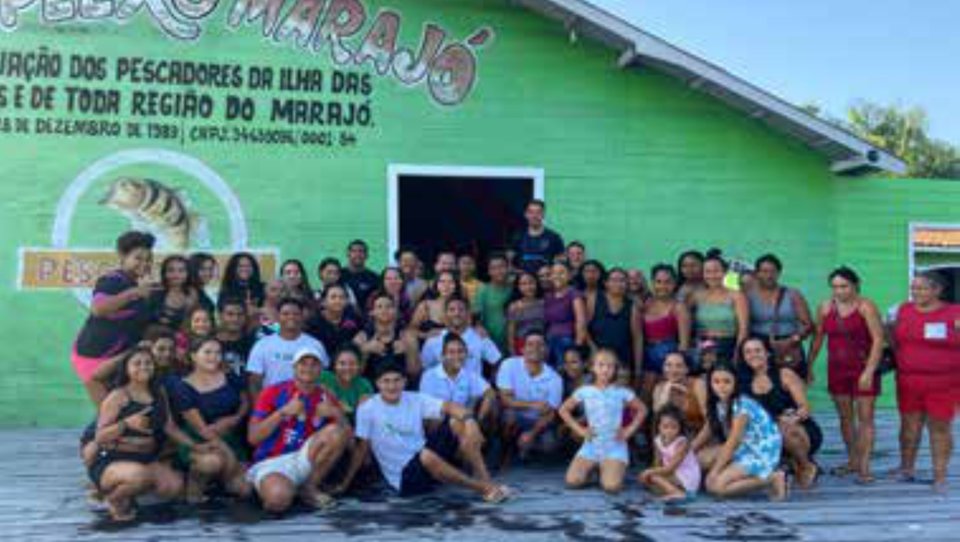
In the Legal Amazon, Humana Brazil works alongside indigenous peoples, riverine communities, and local organisations to strengthen climate resilience and conserve biodiversity through climate initiatives that combine community-based adaptation, territorial governance, and the promotion of sustainable livelihoods. Local leaders co-design climate action projects that bring together traditional knowledge and innovative practices.
Iny Mahadu, Associação Bitata, and Humana Brazil work together to protect the forest, with a focus on conservation, restoration, and strengthening their institutions.
In Pará, communities within the Cachoeira Seca Indigenous Territory receive support to strengthen local organisation and, as a result, diversify sustainable livelihoods.
18
Humana People to People - Progress Report 2025
Sustainable Agriculture and Environment
throughout Humana
People to People
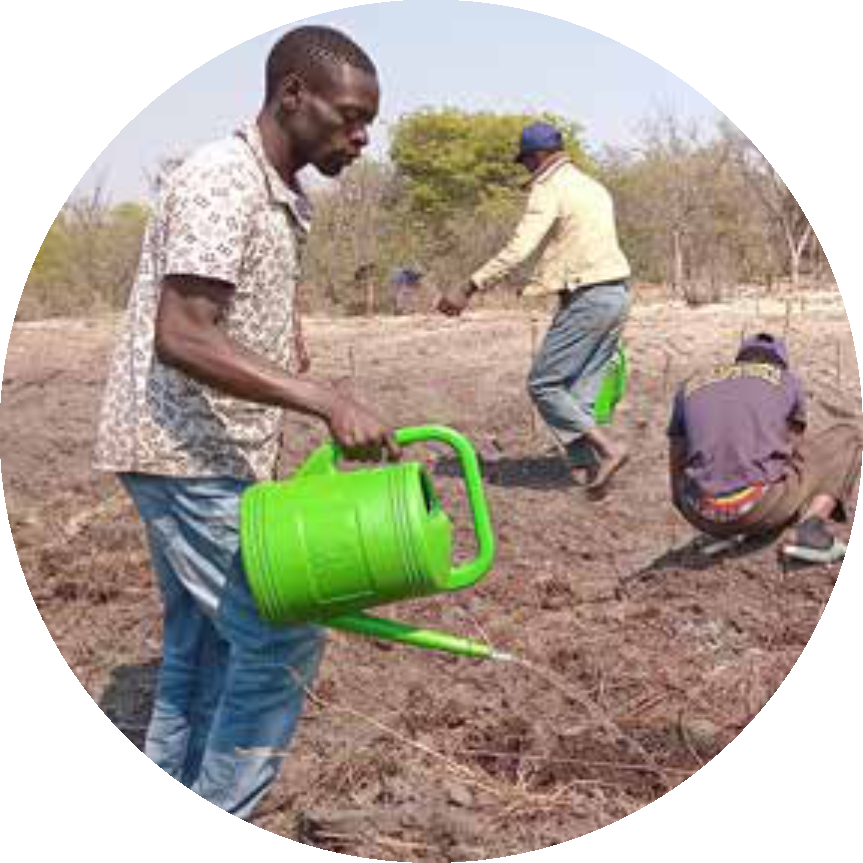

1.5 million
people reached
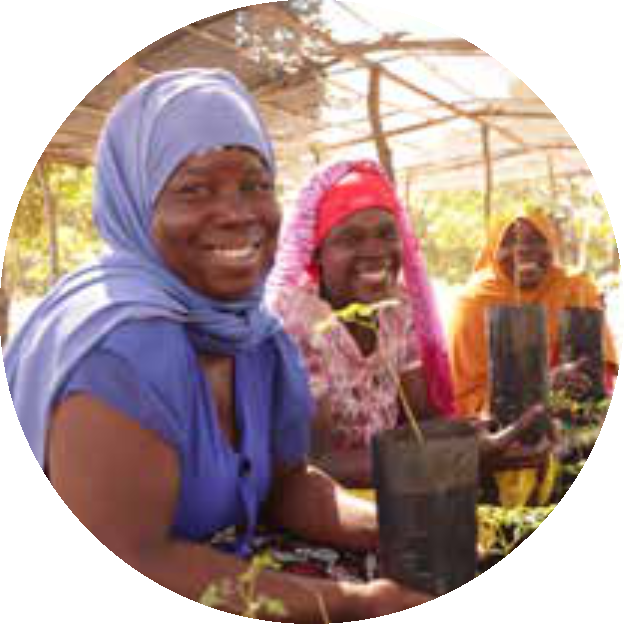
14
countries
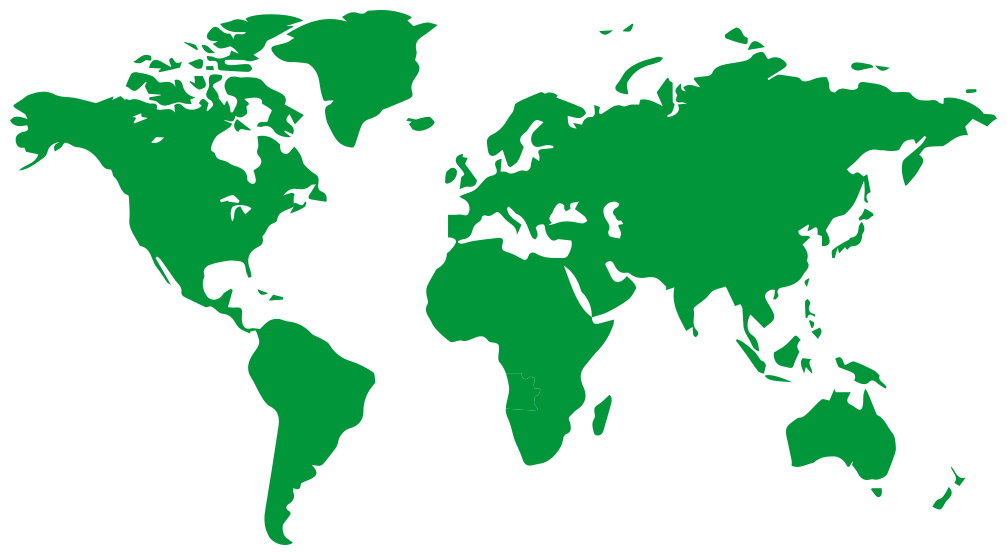

503
project units
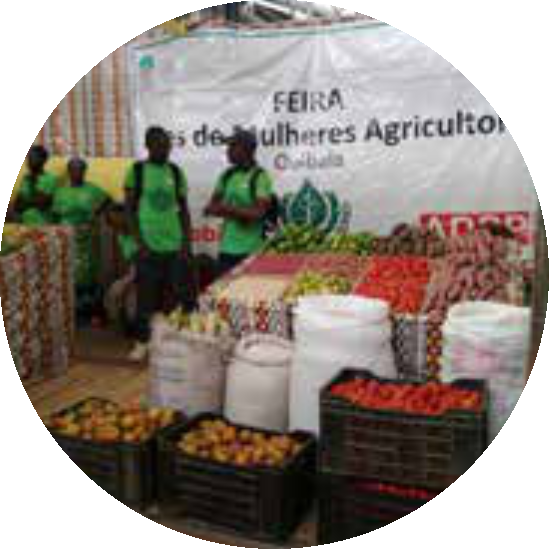
232,300
smallholder farmers

Smallholder farmers hold the key to sustainable solutions.
19
Introduction
The global developments in 2025 have seen a sharp decline in funding for health, in multilateral and bilateral support, as well as support from civil society organisations. Important health institutions, such as the WHO, UNAIDS, and several national institutions, have changed their modes of operation in response.
“Expansion of people accessing HIV treatment has halved AIDS-related deaths since 2010 from 1.3 million to 630,000 in 2023. However, the world will not achieve the target of reducing AIDS-related deaths to below 250,000 by 2025.”
UNAIDS 2024
At the same time, the call for Universal Health Coverage grows louder, especially in the Global South. It will not come easily, and it will only happen if countries in the Global South move closer to self-reliance in their operations, supplies, and research. They must work towards gaining access to existing knowledge and technology, which are often held by institutions and corporations far from their everyday challenges.
Countries in the Global South say: We must become self-reliant; we must develop our research; build our capacity to produce our own medicines; we must strengthen our health infrastructure; and train health workers who are ready and able to serve the people in need of healthcare.
There have also been responses from those who have faced the direct consequences of these developments. People in communities begin to create their own paths to health. They organise, share knowledge, and work together with the local health systems because they recognise that health is both a right and a shared responsibility. They reduce reliance on external support and build self-reliance in essential community health programmes. When communities govern and sustain their own health systems, health sovereignty can become a reality.
The change doesn’t happen overnight. And the communities can’t do it alone.
21
Humana People to People - Progress Report 2025
How We Respond?
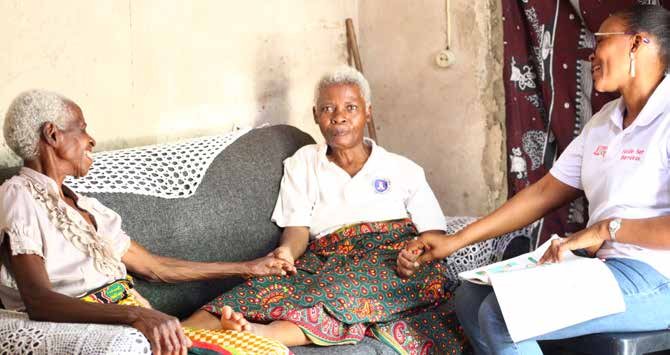
In Humana People to People, we know that impact starts with the people. We improve health by strengthening communities to lead, decide on their own matters, and turn hope into action across the countries where our members operate. Communities are increasingly seeking self-reliance in health, and we support them in taking control of their community health, setting priorities, and managing resources, ensuring continuity of care even in challenging situations.
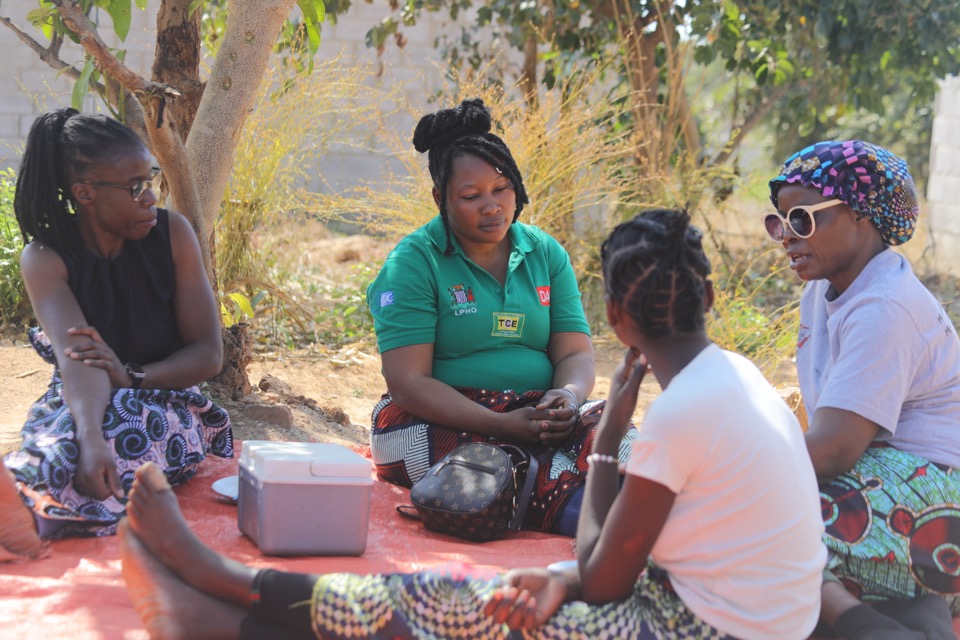
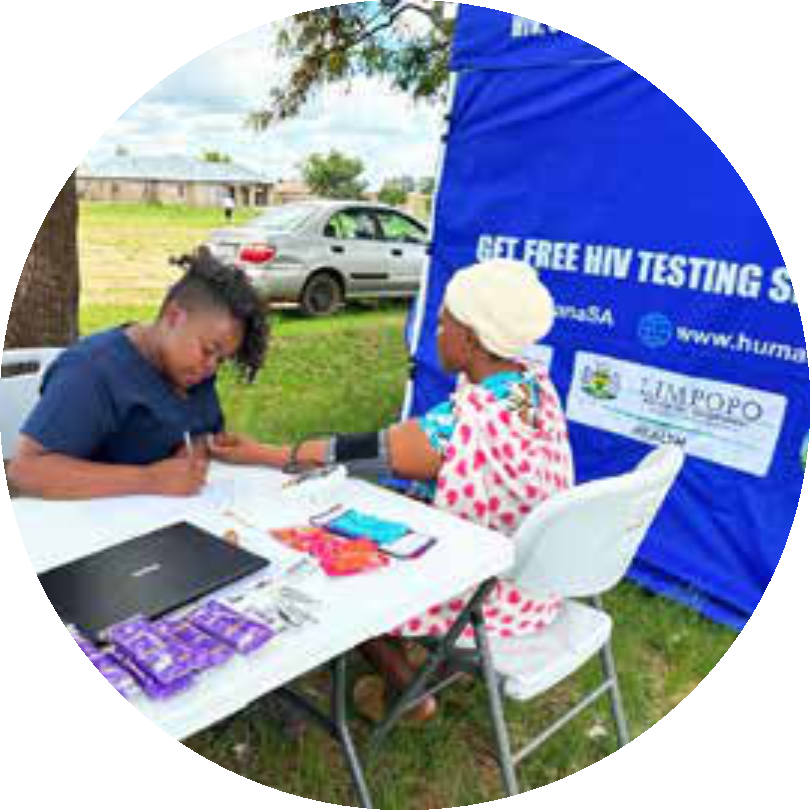
With our people-to-people approach, we help organise communities to lead the fight against HIV, TB, malaria, non-communicable diseases (NCDs), and nutrition issues. Through the Total Control of the Epidemic (TCE) model, pioneered in 2000, community volunteers, peer educators, and local organisations mobilise people, reduce stigma, and promote testing and adherence to treatment through TRIOs – family- and friend-led support groups, thereby strengthening prevention, care and adherence efforts. We train and organise health personnel to work directly in the communities. Our experience shows that when people are informed, organised, and supported, entire communities make progress.
Our members work in close partnership with ministries of health, local authorities and partners to support public health systems, some of them being multi-sectoral health programmes that integrate health, education, agriculture and climate resilience. By strengthening local health governance and connecting people to quality health services, Humana People to People stands with communities to end epidemics as public health threats by 2030 and to make health for all a reality.
Global solidarity remains crucial, but it must reinforce rather than replace local leadership. Sustainable progress happens when communities take the lead, and health systems respond.
22
Humana People to People - Progress Report 2025
Health throughout
Humana People to People
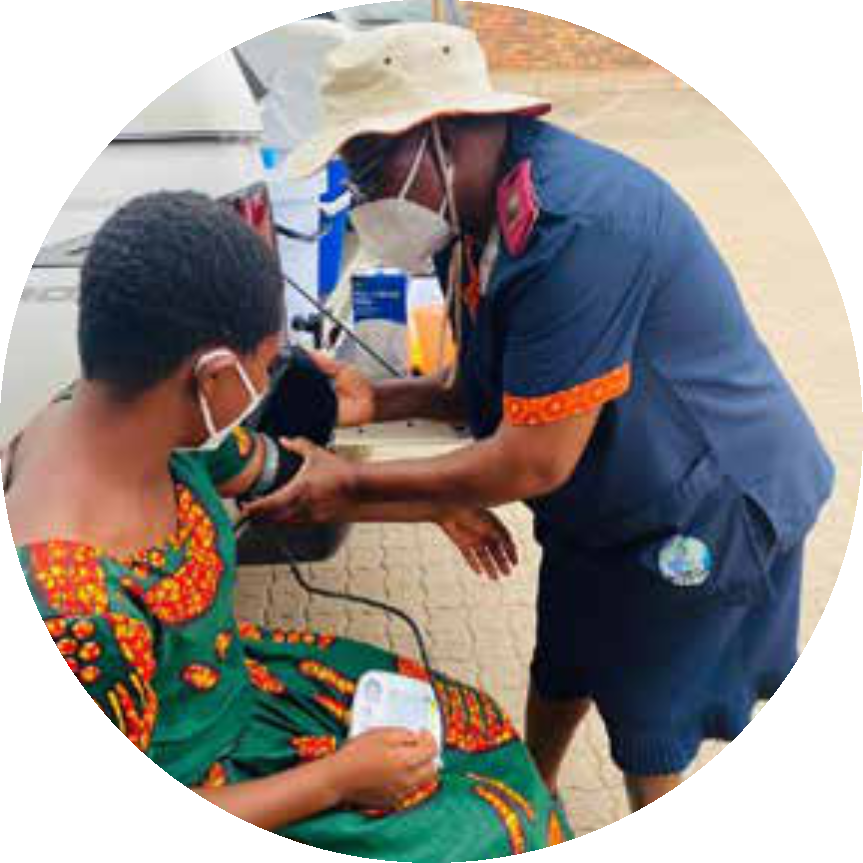

12.5 million
people reached
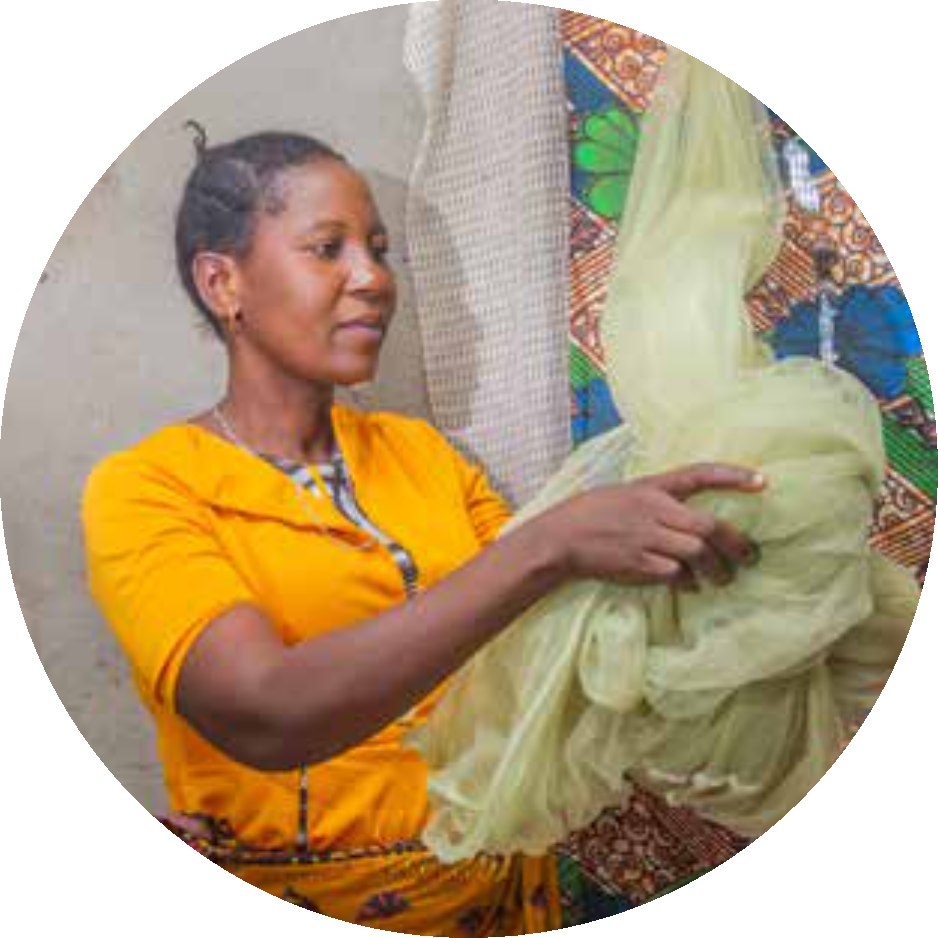
12
countries

535
project units
23
Humana People to People - Progress Report 2025
HIV and TB International
Advocacy
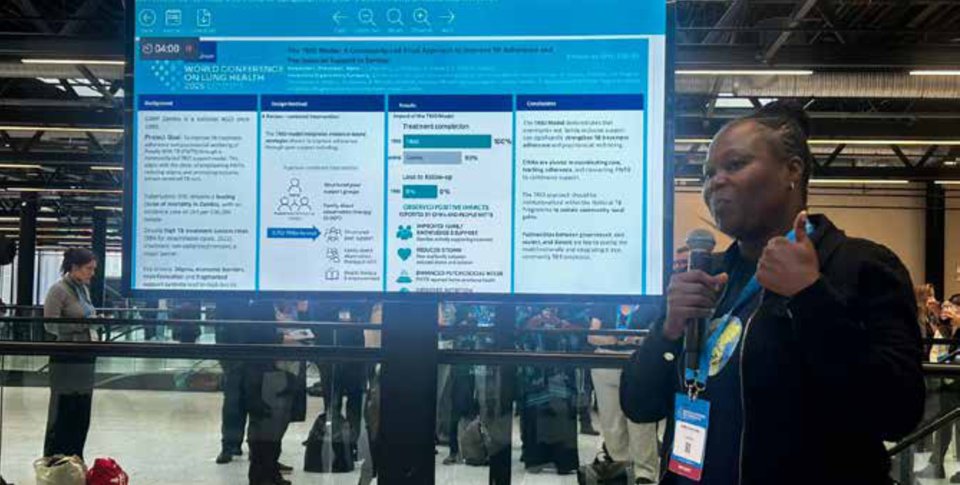
In 2025, Humana People to People brought one consistent message to the International Conference on AIDS and STIs in Africa (ICASA), the World Conference on Lung Health, and the STOP TB Partnership Awards: communities must lead, and health systems must support them.
At ICASA, we pushed for African-led, sustainably financed HIV responses rooted in local resource mobilisation and strong community systems. We highlighted the importance of prevention and long-term investment in people.
At the World Conference on Lung Health 2025 in Copenhagen, we joined more than 3,000 TB fighters united by one reality: tuberculosis remains the world’s deadliest infectious disease, yet it is preventable, diagnosable, and curable. The gap is not in knowledge; it is in investment, political will, and community involvement.
Our team delivered nine presentations and shared lessons from over two decades of Total Control of the Epidemic (TCE) programmes.
The strong interest in our TRIO model confirmed that when people support one another, treatment adherence improves, and stigma decreases.
At the STOP TB Awards, we celebrated community resilience and reinforced our call for stronger community voices because communities are not an add-on to the response; they are the delivery system. TB elimination requires community involvement, with communities taking the lead, as epidemics can end only when communities do that.
24
Humana People to People - Progress Report 2025
Leah’s Transformative Journey
I kept asking myself, “Why me?” I felt ashamed around my friends and siblings
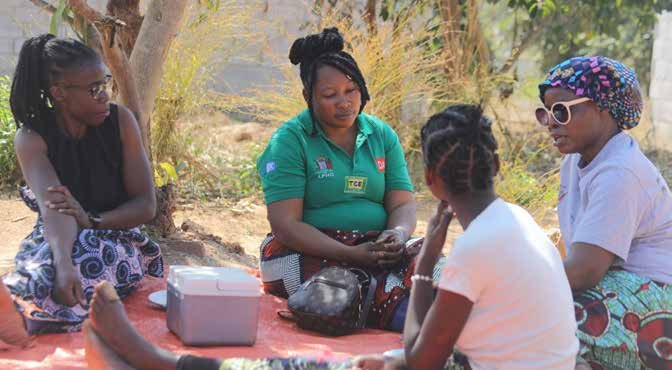
Development Aid from People to People Zambia carries out the TCE Programme with Zambia’s Ministry of Health, mobilising communities to prevent HIV and TB, strengthen treatment adherence, reduce stigma, and build TRIOs with over 72,100 TRIOs formed in four provinces in Zambia to support retention and viral load suppression. Here is one of the many stories that show how the TCE Programme transforms lives.
“When I was told I am HIV positive, my world fell apart. I kept asking myself, “Why me?” I felt ashamed around my friends and siblings, and even threw away my medicine because I did not understand its importance. Soon, sores appeared on my body, and my health began to weaken.
A TCE field officer visited our home and patiently explained HIV to my mother and me. That is when we formed a TRIO: my mother, my aunt and me. Through this support system and by joining the teens club, I began to accept my condition. Speaking openly was frightening, but it helped me fight self-stigma and realise I am not alone.
Today, I take my medication every day. My viral load is suppressed, and I feel strong again.”
Leah’s journey is one among thousands across Zambia, where families stand together. DAPP Zambia’s HIV and TB programmes continue to extend care to those most often left behind. Leah was 15 years old at the time of the interview.
25
Introduction
Education is a fundamental human right and the foundation for peace. It has the power to promote and embrace solidarity, diversity, inclusiveness and sustainable development.
“2 billion people - a quarter of humanity - live in places affected by conflict. Of these 473 million are children - more than one in six globally - now live in areas affected by conflict.”
UN News 2025.
The call to rethink, repurpose, and reshape education to build peace grows stronger across societies worldwide. We join the call and adjust our practices accordingly to support stable and peaceful communities in their pursuit of sustainable development.
Education plays a pivotal role in building peaceful societies when it nurtures empathy, cooperation, and critical thinking. It should also accommodate the complexities of our diverse cultures, as they shape how we see, interpret, and give meaning to the world. Learning rooted in solidarity and equity is essential to creating more just societies.
Education has the potential to help learners acquire knowledge and become agents of change in their communities. By focusing not only on cognitive, but also on social and emotional skills, learning becomes a powerful tool for them to benefit from our diversity, promote understanding, and support development.
The pedagogy any country adopts affects both learners and teachers, as the approach can either hinder or promote positive change. Programmes for primary education, teacher education, technical and vocational training, and informal training must ensure that students, regardless of their background, can build their knowledge and understanding and use this to take action to influence their existing realities.
27
Humana People to People - Progress Report 2025
How We Respond?
Humana People to People seeks to inspire and complement public education. We want teachers, students, parents, educational institutions, officials, and Ministries of Education to draw inspiration from co-operation, direct or indirect, with Humana People to People schools and education projects.
We prioritise teacher training to help reduce the shortage of primary school teachers, especially in rural areas, so every child benefits from a qualified, motivated, and multi-skilled teacher. Our programmes are designed to allow everyone to explore the reality of life and apply what they learn to influence that reality. The programmes support personal development, improve the quality of education in primary schools, develop practising teachers’ skills, promote child-friendly learning methods, and advance community development.
We prioritise vocational training because it prepares youth to face 21st century issues. It offers a deep connection to real-world challenges, equipping young people to be innovative, embrace entrepreneurship, and address community challenges as they contribute to local production.
We prioritise early childhood and primary education and strive to create safe environments. Early childhood is a critical, once-in-a-lifetime window of rapid brain development, and it requires a learning environment without fear and anxiety. It sets the foundation for all future learning, health, and behaviour.
Additionally, we prioritise training across a range of programmes, including Farmers’ Clubs, Community Development and health programmes.
28
Humana People to People - Progress Report 2025
Education throughout
Humana People to People
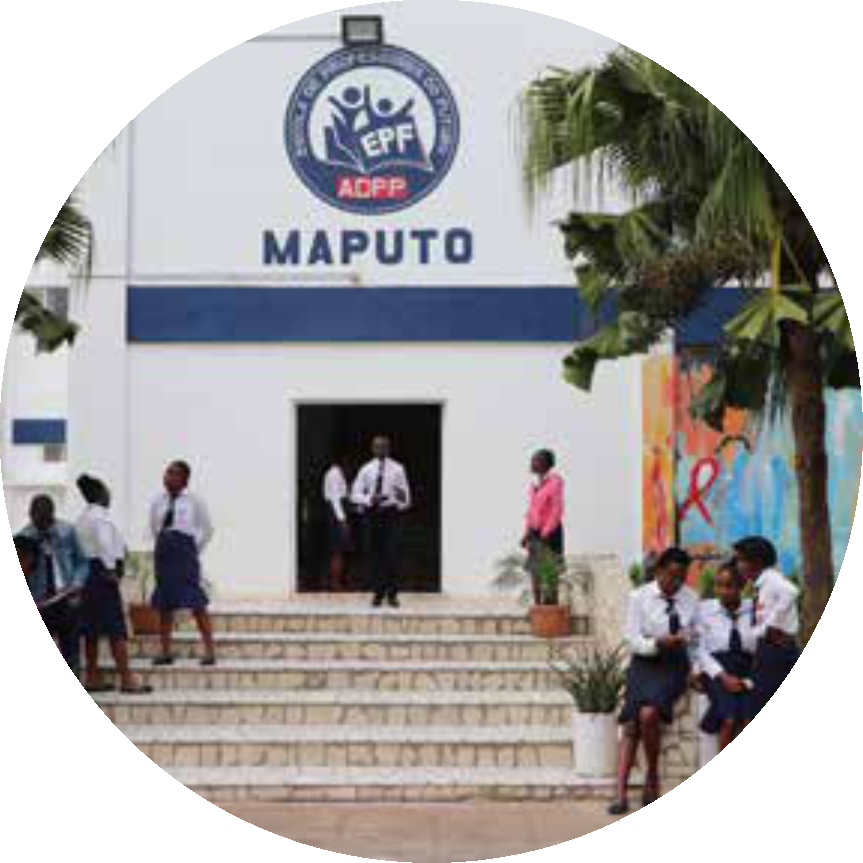

69,911
teachers graduated since 1993
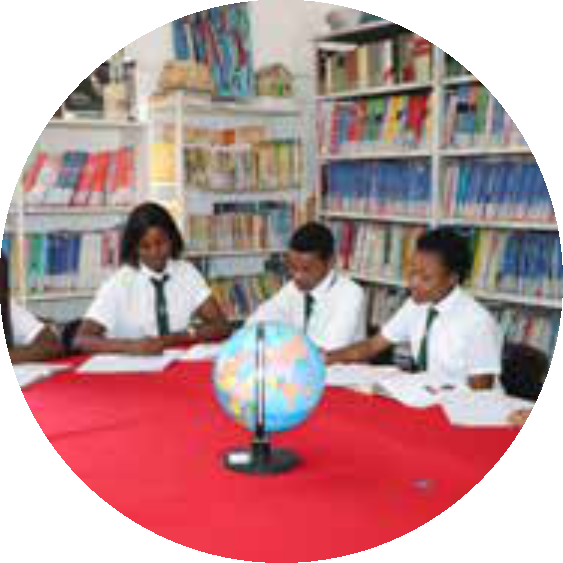

2.2 million
people reached

82
schools and training institutions
419
project units

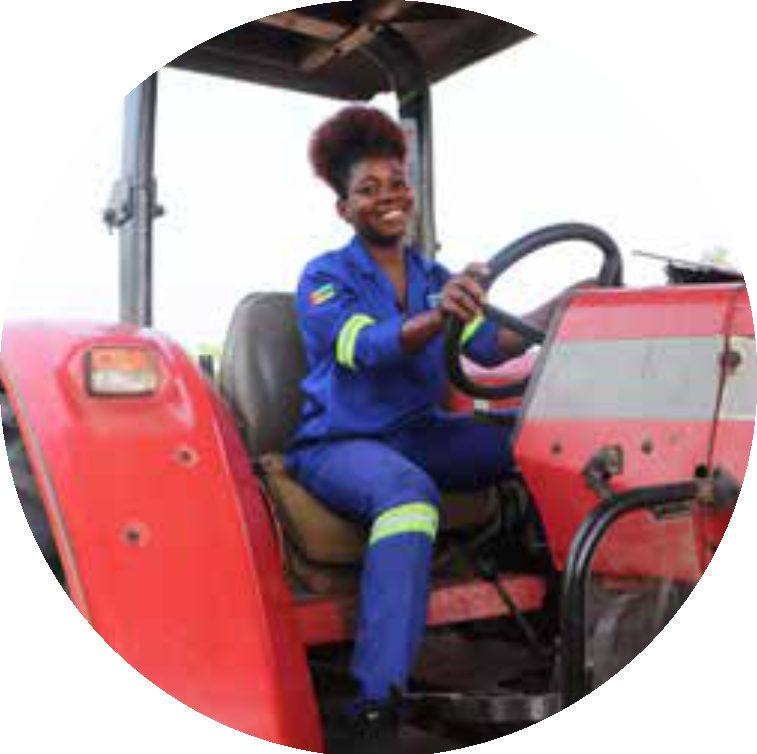
36,000
TVET students graduated since 1981

337
other teaching and learning projects
29
Humana People to People - Progress Report 2025
ADPP Angola Polytechnic
Schools
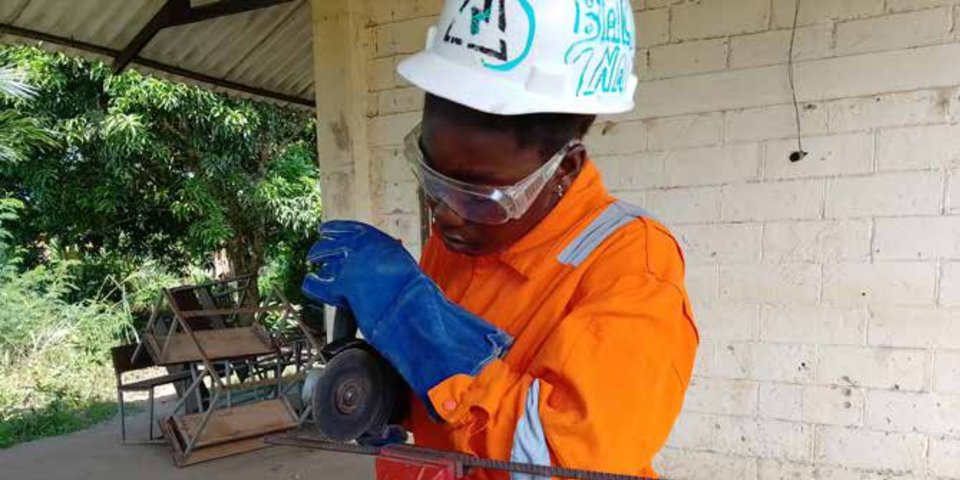
ADPP Angola’s eight Polytechnic Schools deliver dynamic lower secondary education fused with essential technical training. Since 2011, Polytechnic Schools have transformed the quality of education for young Angolans, equipping them to master and apply practical skills in their own communities.
The Polytechnic Schools don’t just teach; they train students to think ahead, solve local challenges, and prove their competence through action.
The students can train as an Energy Assistant, Water Assistant, Community Health Agents, Environment Promoter, Food Producer, Textile Artisan, Media and Information Activist or Modern Cook.
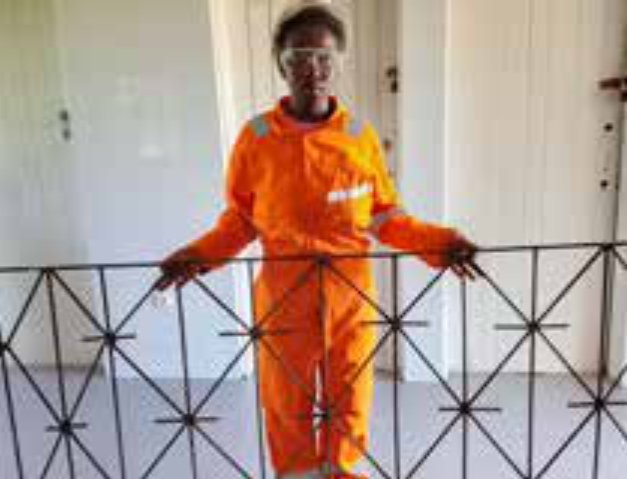
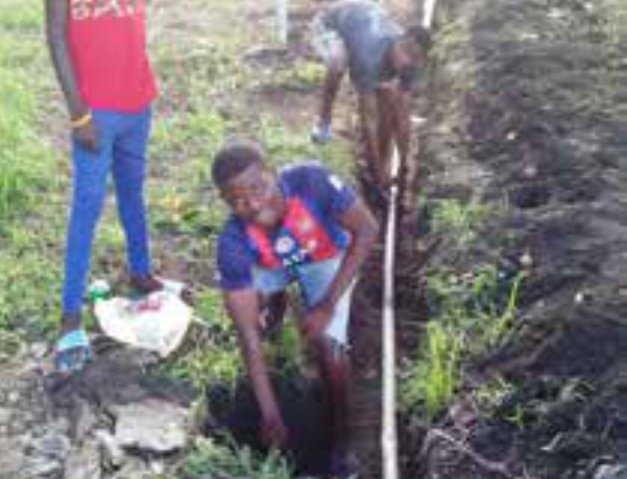
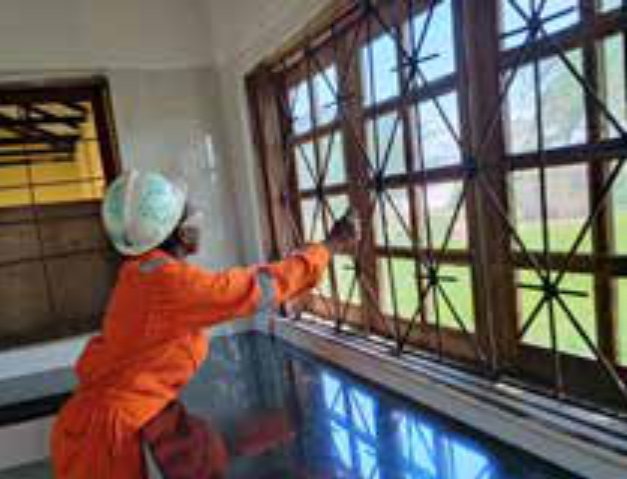
Angelina Sassa, is an 8th grade student in the Water Assistant course at ADPP Polytechnic School Cabinda. She is already empowered with artisanal skills.
“In metalwork and plumbing classes, I have learnt how to cut, weld, and join metals. I can install and maintain water reticulation and sewage systems, including ensuring safety. I look to the future with confidence, ready to solve my community’s water issues.”
30
Humana People to People - Progress Report 2025
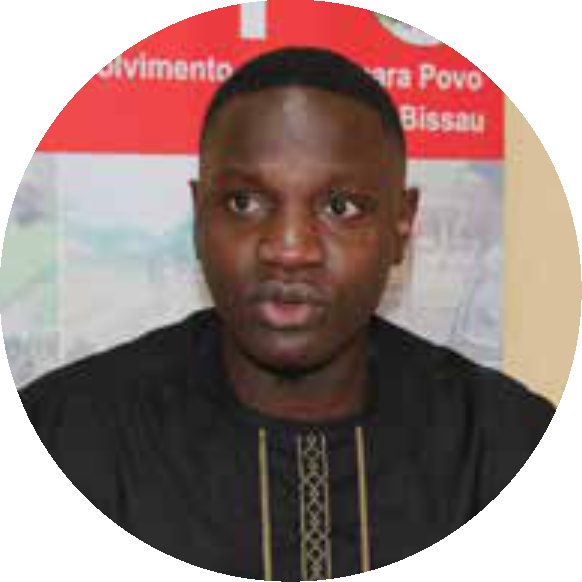
Working closely with students and communities, I believe the future of education in fragile contexts relies not just on systems and policies but also on training teachers for today’s world.
Oceano Sanhá Tchongo, Headmaster, Teacher Training College Bachil, Guinea Bissau
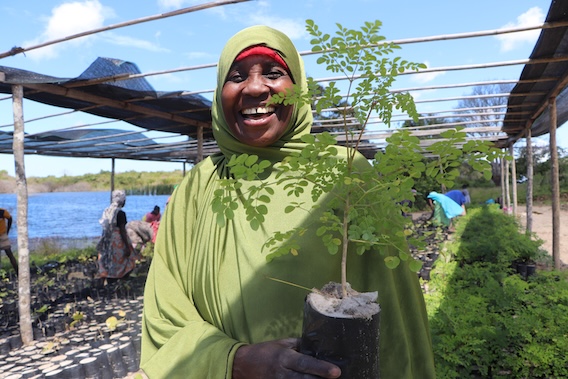
I am the director of Teacher Training College Bachil at ADPP Guiné-Bissau, part of Humana People to People’s network of 55 Teacher Training Colleges.
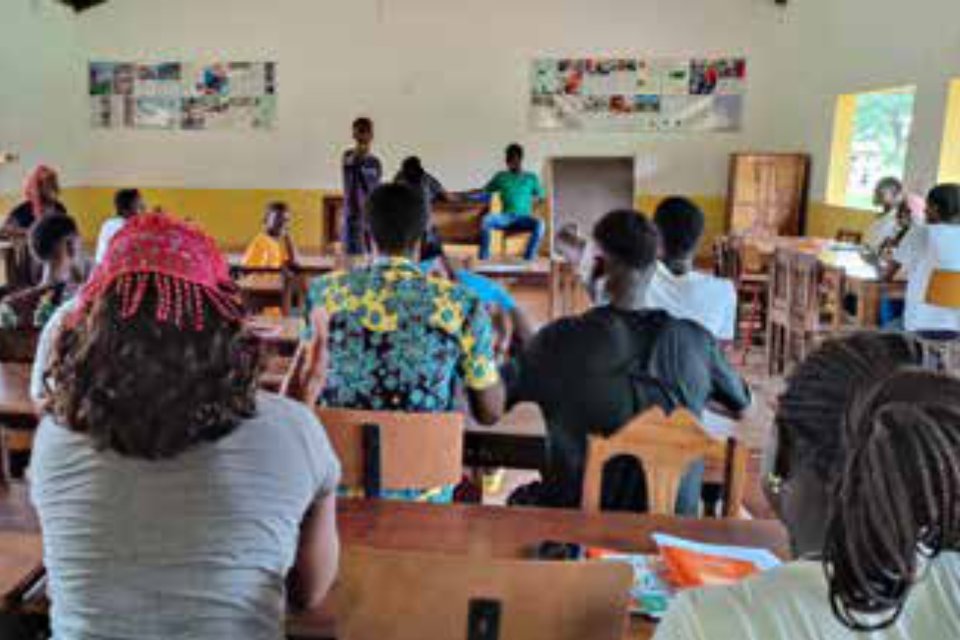
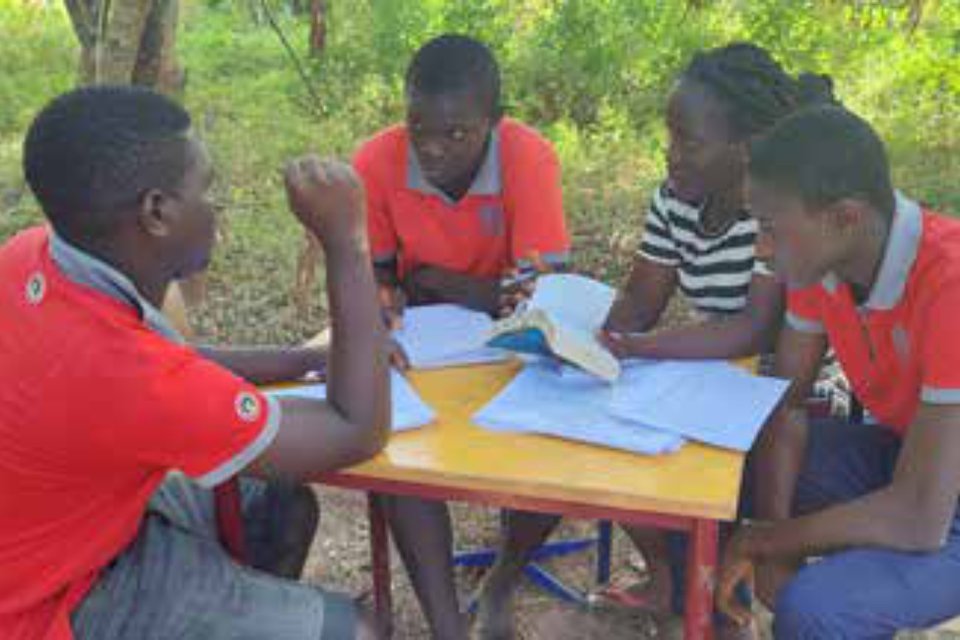
At our college, we train primary school teachers to become educators and catalysts for community development. Our three-year programme ensures teachers are not only academically competent but also prepared to live, work, and lead in rural settings, contributing to long-term educational equity and community development.
Take one of our graduates, Fatuma Candé. In her classroom, she focuses on her students’ emotional well-being by starting lessons with songs, stories, or games. She puts students into small groups to spark conversation and critical thinking, using examples from Guinea-Bissau and other places to make lessons clearer.
Her impact goes beyond the classroom. She started a vegetable garden club and a women’s literacy group. In just six months, 57 women learnt basic reading, writing, and math skills and improved their family diets.
31
Introduction
We respond to urgent needs while protecting development gains, linking relief, recovery, and resilience in one integrated, people-led approach.
“Over the past 10 years, weather-related disasters have caused some 250 million internal displacements – equivalent to around 70,000 displacements per day.”
UNHCR 2025
Communities across the world face increasingly complex and overlapping crises. Climate change, armed conflict, economic instability, and fragility of peace interact in ways that lead to displacement, weaken livelihoods, strain essential services, and reverse hard-won development gains. Disasters now occur so frequently that affected communities often have little time to recover before the next shock strikes.
These challenges rarely emerge in isolation; they are interconnected and reinforce one another, demanding coordinated responses that are firmly rooted in local realities and integrate peacebuilding to strengthen social cohesion and address the root causes of humanitarian need.
Simultaneously, the humanitarian system is under pressure to improve quality, accountability, and cost-effectiveness, while promoting locally led strategies. There is an increasing need for principled partnerships that uphold high standards, ensure compliance, and improve coordination among partners, while recognising communities not merely as passive recipients of aid but as first responders and leaders in their own recovery.
The United Nations Humanitarian-Development-Peace (HDP) Nexus provides a forward-looking path by linking humanitarian action, development, and peacebuilding. We align with it by addressing urgent needs while supporting communities not only in recovering but also in strengthening local emergency response systems, rebuilding trust, and shaping resilient, peaceful futures rooted in dignity and shared responsibility.
33
Humana People to People - Progress Report 2025
How We Respond?
At Humana People to People, we are not in doubt: recovery is strongest when communities draw on and strengthen their own capacities. This is not merely good practice; it is a political commitment to dignity, self-reliance, and collective strength. Resilience grows from within.
Humanitarian work is part of our ongoing commitment to the people, with every project designed to strengthen local systems, rather than create dependency. Relief aid, development, peacebuilding and long-term resilience must be integrated and driven by the community.
In times of crisis, we invest in preparedness, early recovery, and local capacity by mobilising what has already been built through years of cooperation: teachers reopening classrooms, smallholder farmers adapting to climate impacts through sustainable agricultural practices, youth organising into local response teams, and community volunteers maintaining essential services.
We adhere to strict humanitarian standards, apply clear procedures, and coordinate closely with national authorities and the global humanitarian system.
34
Humanitarian Action
Humana Spain Strengthens Humanitarian Partnership with DG ECHO
After a thorough process and years of development, Humana Spain was certified as a Potential Programmatic Partner by the European Commission’s Directorate-General for European Civil Protection and Humanitarian Aid Operations (DG ECHO).
By strengthening its engagement with the European humanitarian system through this certification, Humana People to People aims to contribute responsibly and consistently to collective humanitarian efforts, supporting communities not only in moments of crisis but also in navigating recovery and building resilience over time.
Humana Spain serves as Humana People to People’s entry point to DG ECHO, reinforcing members’ shared capacity to respond on the ground in the Global South. Our long-term presence in the communities allows us to build on established relationships, local knowledge, and community structures.
For communities facing crisis, it means timely support, strengthened preparedness, and capacity for sustained recovery. Together, this certification enhances our shared mission: to support humanity through sustained, accountable, and long-term humanitarian action.
ADPP
Mozambique
supporting Post
Disaster
Recovery in Cabo Delgado
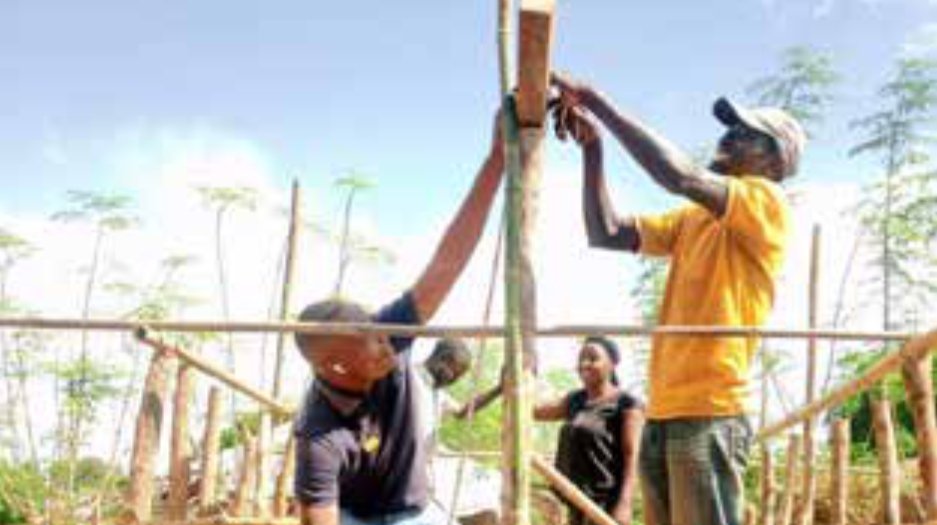
Natural disasters have long affected Mozambique, and with climate change intensifying, these events are becoming more frequent and severe. In response to the complex and protracted crisis in Cabo Delgado, ADPP Mozambique is combining immediate relief with longer-term recovery efforts.
Through the Supporting Greater Socio-Economic Development and Recovery in Cabo Delgado (RCD) project, ADPP works closely with internally displaced persons (IDPs) and host communities to rebuild livelihoods and restore hope. Despite the premature closure of part of the project in the first quarter of 2025, ADPP sustained critical recovery interventions and ensured continuity of support to vulnerable households.
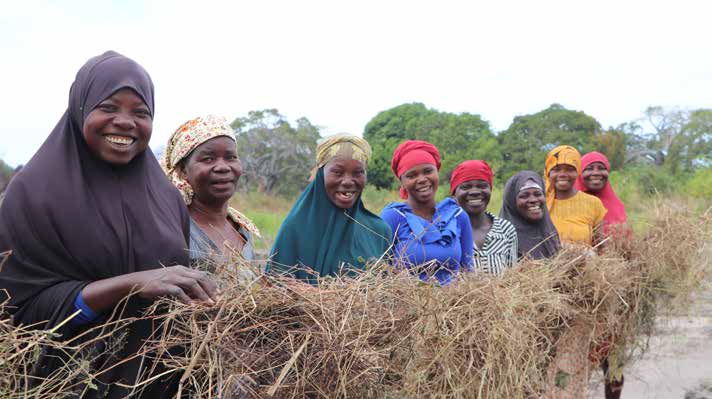
Overall, the project has supported over 5,000 households (approximately 25,000 people) to recover and strengthen their livelihoods through agriculture and small-scale production. Recovery efforts were implemented through a total of 100 Producers’ Clubs, where participants received training in conservation agriculture, climate-resilient practices, and improved production techniques.
Demonstration plots and climate awareness sessions contributed to improved food security and strengthened resilience to future shocks. Currently, 36 Producers’ Clubs remain active, continuing to support households with ongoing training and technical assistance. Youth empowerment remains a key priority. More than 2,000 young people (IDPs and host communities) have participated in vocational and entrepreneurship training, with at least 50% being female. These interventions promote social cohesion and create practical pathways for economic inclusion.
35
Introduction
Global reuse of textiles responds to a global crisis: overproduction and overconsumption in some parts of the world, and too little production and supply in others.
“Around 85% of the primary raw materials used, 92% of the water used, 93% of the land used and 76% of the greenhouse gases emitted for the production of clothing, footwear and household textiles consumed in the EU occur in non-EU countries”
Textiles and the environment in a circular economy, November 2019 Published by European Environment Agency (EEA)
Globalised textile production is racing towards tripling since 2000. In the Global North, each person is buying more clothes but wearing them less. In the EU, the average person buys 67 items annually. Currently, only 1% of used textiles are recycled into new clothing worldwide.
In the Global South, the situation is different. In sub-Saharan Africa, an estimated 80% of the population relies, partly or entirely, on second-hand clothing to meet their basic needs. On average, a Mozambican buys 8.5 items in a year. Clothes are worn to the last bit, resulting in little to no waste.
At Humana People to People, we collect, sort, and sell clothes for reuse as part of a well-established and proud sector on the global stage. We have been pioneers in this field for over 40 years, and today we join forces with many others to protect and promote the industry.
Preparing for reuse means meticulously caring for each piece of clothing and getting it to its next user, delaying or avoiding the used textiles from reaching the landfill as waste.
It responds to the environmental challenges posed by primary production by reducing the planet’s CO2 emissions and saving freshwater.
It contributes to socio-economic development, supporting millions of jobs, livelihoods and social progress, particularly in the Global South.
On the next two pages, the value chain from collection to end user is explained.
37
Humana People to People - Progress Report 2025
Collection
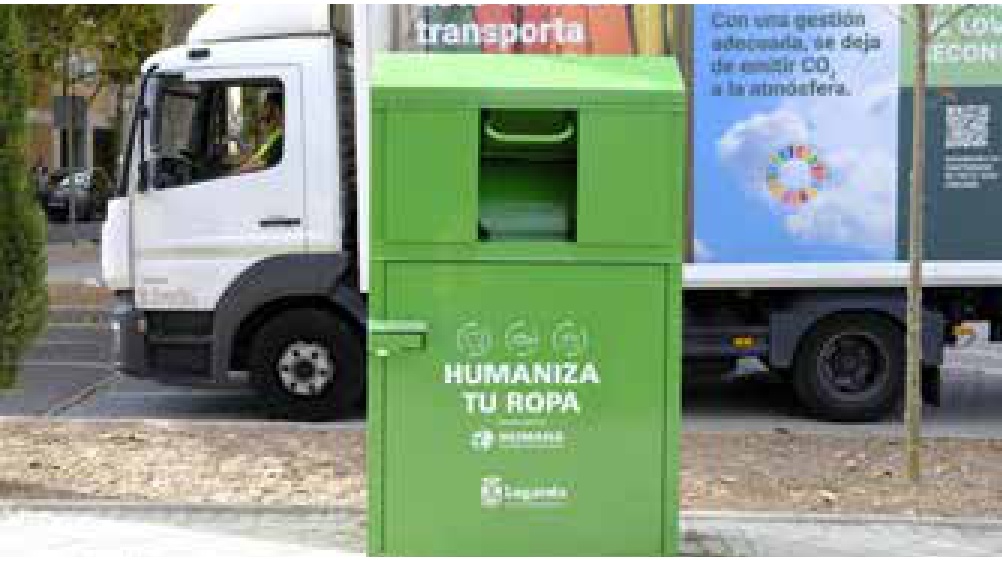
In 2025, Humana People to People collected 140,000 tonnes of used clothing, the majority of which was collected in Europe and the USA. 20 million people donated their used clothes. New textile collections in Brazil, India, and South Africa contributed 945 tonnes in those countries.


Sorting
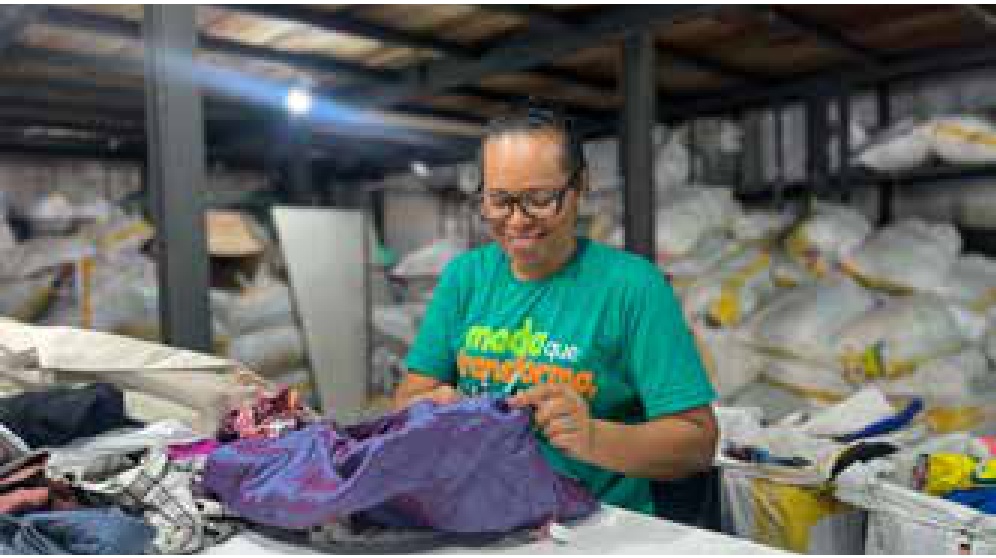
At 16 sorting centres in Europe, Africa and the Middle East, the collected clothes were carefully sorted by skilled workers into hundreds of categories to optimise the value of each item, with an understanding of the global reuse markets and local demand. 65-75% qualified for reuse, 20-30% for recycling, and 5-10% for incineration.
Resale in Europe and the USA
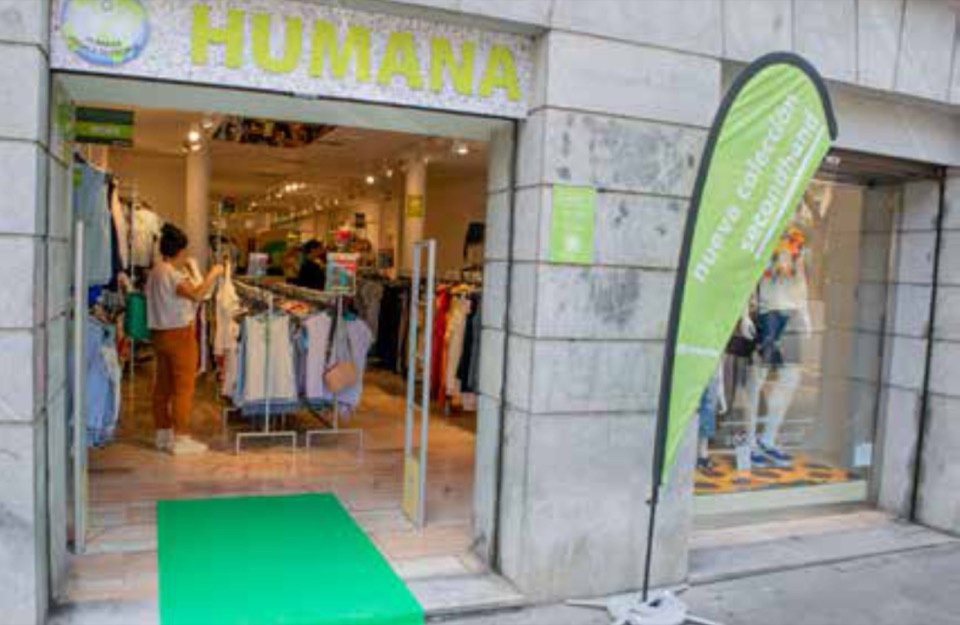
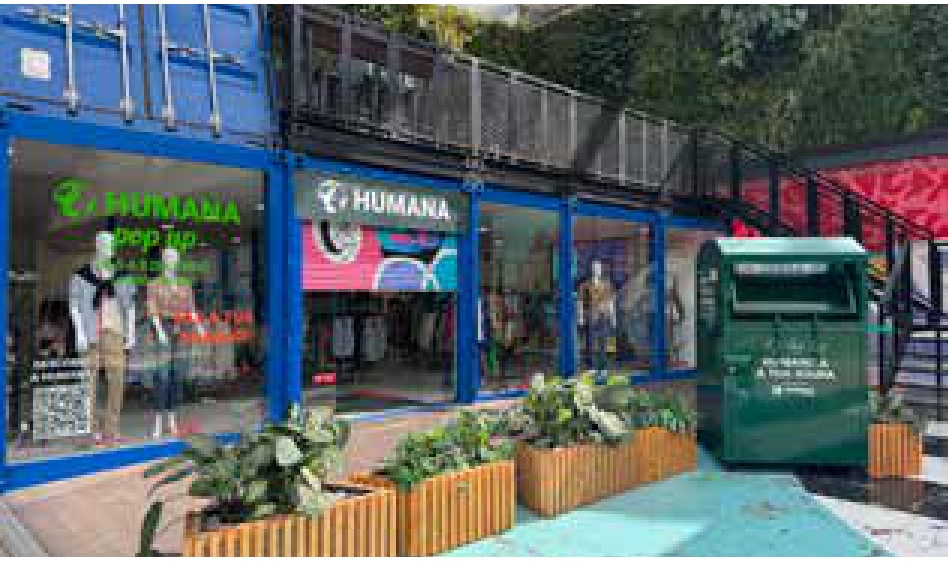
11.8 million people bought clothes for reuse in 592 retail shops. The shops offer sustainable and affordable fashion, with customers increasingly considering the environmental impact of their choices. The surplus from the shops is used for development projects in the Global South, an important aspect that many customers appreciate, too.


Export to the Global South
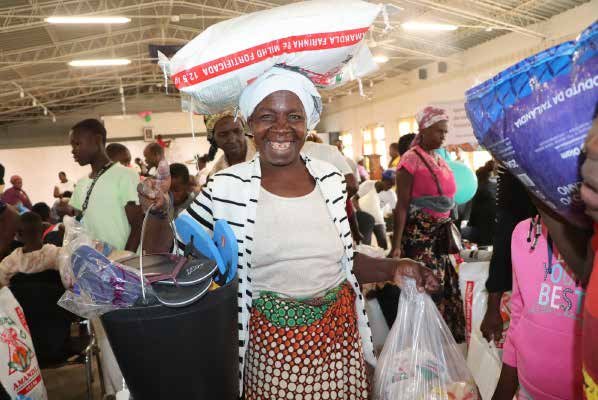
Responding to the inequalities in global textile production and consumption, used textiles were exported for reuse in Africa and Central America. A close collaboration between the sorting centres and the receiving countries ensured that the clothes met market criteria and local demand.
Reuse in the Global South
The second-hand clothing market in Africa and Central America creates jobs, generates vital government revenue through import duties and taxes, and offers access to affordable, decent clothing for millions of people. In 2025, 30,000 tonnes of clothing were sold in 203 retail and wholesale outlets across Africa and Central America.


Funds raised support development projects
The funds raised help reduce poverty by offering flexible support for transformative development programmes in 16 countries across Africa, Asia, and Central and South America, advancing the UN Sustainable Development Goals: 1, 8, 12, and 13.
38
Humana People to People - Progress Report 2025
39
Humana People to People - Progress Report 2025
Mozambique’s Second-Hand Clothing Industry: A Lifeline for Millions and a Catalyst for Economic Growth
For over 30 years, ADPP Mozambique’s second-hand clothes project has addressed community needs, created jobs, and supported the financial sustainability of development projects across Mozambique. Each year, millions of people in rural and urban areas have access to good-quality clothing and shoes at affordable prices.
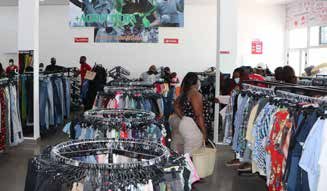
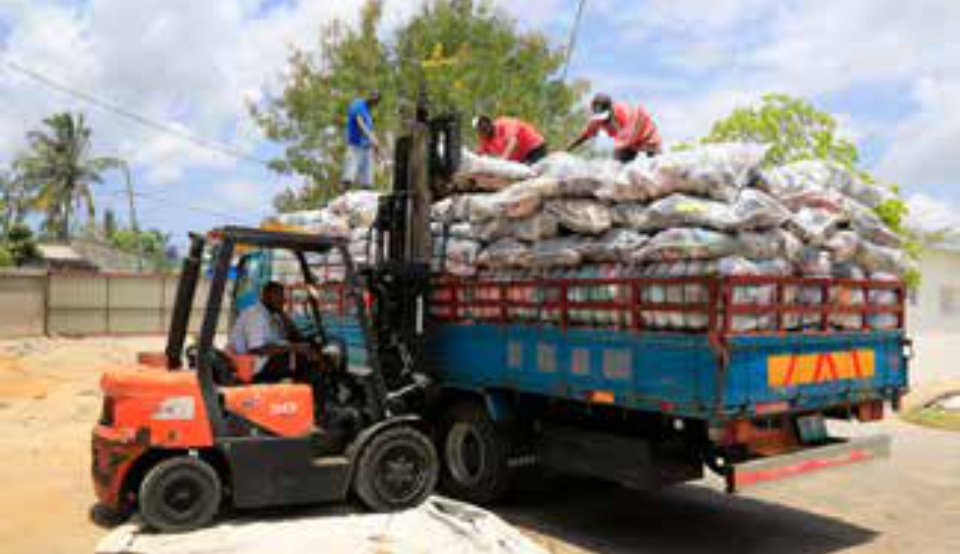
The project imports sorted used clothes, mainly from Europe. Upon arrival, the clothes are sorted at the ADPP sorting centre by specialist sorters to meet the needs of the Mozambican market. After sorting, the clothes are pressed and packed as finished products into 45, 25, and 15 kg bales, and distributed to 13 wholesale outlets in eight provinces. The wholesale outlets employ 150 permanent staff and supply retail sellers further down the value chain. ADPP wholesale outlets serve over 2,700 customers, mainly retail resellers who purchase in bulk. These resellers are key income earners and job creators in their communities.
Clothes for retail are imported and prepared separately, before being sent to eight retail shops in Maputo. These shops employ 129 permanent staff.
Proceeds from selling second-hand clothes support educational initiatives, including teacher training, skills development, and other vital programmes for Mozambique’s sustainable growth.
In 2024, ADPP Mozambique commissioned a study of the impact of second-hand clothing in
Mozambique. The study revealed important facts about the second-hand clothing industry:
- Basic clothing needs for at least 85% of the population
- Over 200,000 formal and informal jobs, directly supporting over 1 million livelihoods
- Average earnings of $650 per month for well-established vendors, compared to the national minimum wage of $90 per month.
- $35 million in government taxes supporting vital social programmes such as education and healthcare
40
Humana People to People - Progress Report 2025
Humana Brazil’s Rethink-Reuse: Fashion That Funds Development
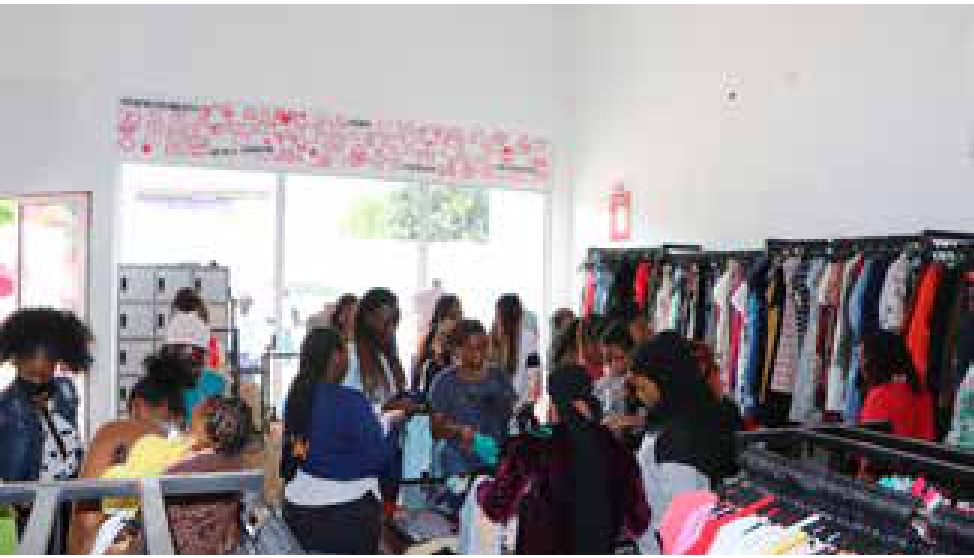
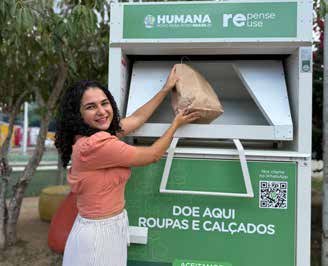
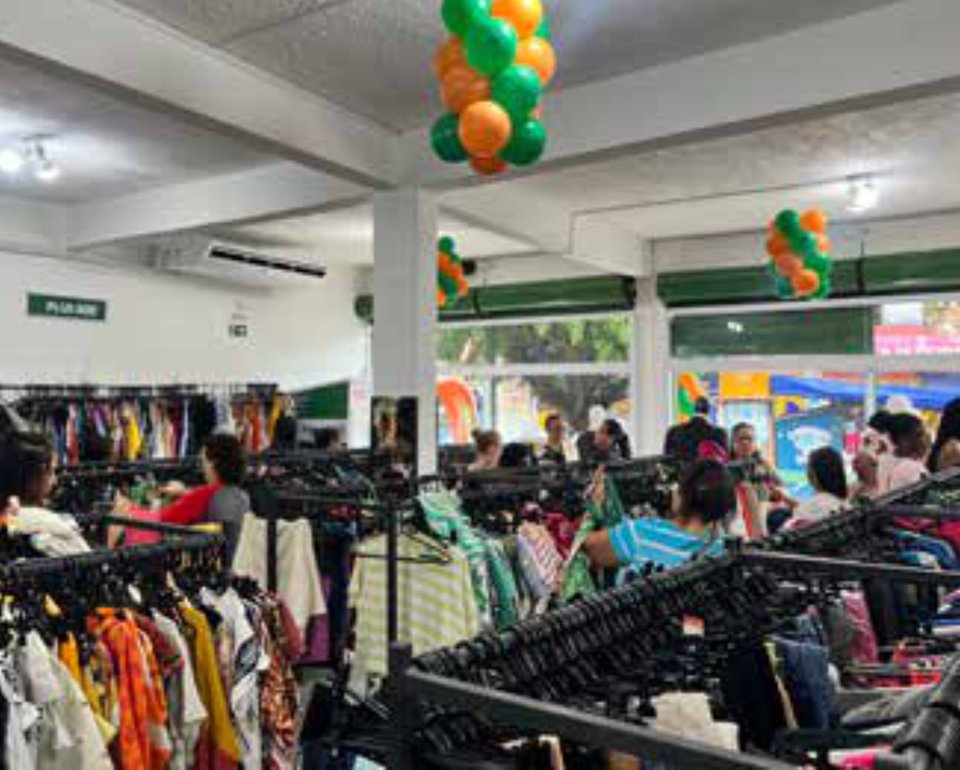
Associação Humana Povo para Povo em Brasil (Humana Brazil) collects second-hand clothing, giving it a new purpose through sale for reuse and creating environmental and social benefits in the process. Currently, Humana Brazil’s project ‘Rethink-Reuse’ operates in Bahia, Sergipe, Pernambuco, and the Federal District with nearly 500 clothing collection containers.
Focusing on circular and sustainable fashion with a supply chain management guided by Humana People to People, the Rethink-Reuse stores offer Bahia’s largest selection of second-hand fashion. Their aims are to reduce negative environmental impacts, provide affordable prices, create green jobs, and fund the social projects run by Humana Brazil.
The Rethink-Reuse project installs containers at accessible public places and collects the second-hand clothes frequently. The collected clothes are graded at the Sorting Centre to ensure their preservation and good presentation.
The clothes are sold at affordable prices in the Rethink-Reuse stores. Prices are set in cycles of two to three weeks, during which a variety of products are offered at affordable prices, creating a circular movement of sustainability and solidarity.
The surplus from the sale helps fund Humana Brazil’s development work.
Focusing on circular and sustainable fashion with a supply chain management guided by Humana
People to People, the Rethink-Reuse stores offer Bahia’s largest selection of second-hand
fashion.
41
Humana People to People - Progress Report 2025
IMPACT:
Supporting the UN Sustainable Development Goals
SDG1: End poverty in all its forms everywhere
How do we impact this:
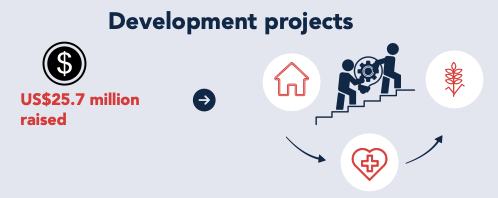
People to People network in the second-hand clothing industry far surpass the direct impact of sustaining and transforming lives to ensure decency and dignity. Humana People to People recognises the strategic importance of used clothing in supporting the livelihoods of millions living in some of the world’s most economically challenged regions. In 2025, Humana People to People’s second-hand clothing operation provided US$25.7 million in development funding to support countries in the Global South in achieving the United Nations Sustainable Development Goal 1. They contribute to poverty reduction by providing flexible funding for the programmes.
In Mozambique, the second-hand clothes trade accounts for at least 65% of the money circulating in the markets, with food a close second at 25-30%.
SDG 8: Promote sustained, inclusive and sustainable economic growth, full and productive employment and decent work for all
How do we impact this:
The second-hand clothes sector is more than just a market for used clothes; it’s vital for employment in the circular economy. The Humana People to People network creates more than 8,400 formal jobs directly with its members and associates and 116,800 informal jobs in logistics, sorting and sales throughout Africa and Central America, sustaining economic development. Humana People to People members and associates support second-hand clothes traders in developing their business knowledge and skills to increase their surplus. With that, they support their families and improve their quality of life. The sale of second-hand clothes is a long-term need that is highly beneficial and transformative to local economies.
In Guinea-Bissau, Angola, Zambia and Mozambique, each tonne of imported second-hand clothes sustains an estimated 6.5 jobs.

42
Reuse and circularity in textiles
IMPACT:
Supporting the UN Sustainable Development Goals
SDG 12: Ensuring sustainable consumption and production patterns
How do we impact this:
Collecting, sorting and reselling used clothes – Still, too few used textiles are collected and repurposed. In 2025, Humana People to People members contributed to sustainability by repurposing 140,000 tonnes of used clothing in the Europe and USA.
Reducing the production of new textiles – By selling second-hand clothes for reuse, fewer natural resources are used to produce new textiles.
Legislation and trade arrangements support – Through sector organisations, we take initiatives to increase policymakers’ awareness of the social, economic, and environmental benefits of reusing textiles. Global coordination is needed.
Increased consumer consciousness and sustainable buying choices - Increased awareness of the environmental harm caused by fast fashion and positive experiences with the reuse of second-hand clothes drive this change.
SDG 13: Take urgent action to combat Climate Change and its impacts
How do we impact this:
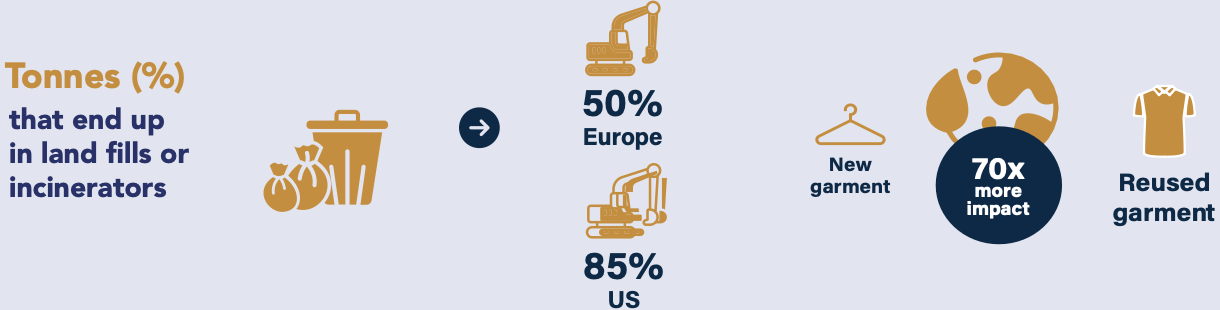
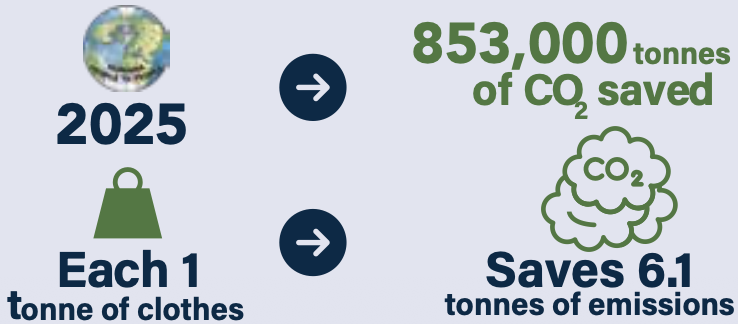
Doubling the number of times a garment is worn reduces CO2 emissions by 44% compared to buying a new one. Humana People to People calculates that for each tonne of clothes we collect, we save 6.1 tonnes of carbon emissions. In 2025, Humana People to People’s second-hand clothes operation saved 853,000 tonnes of CO2.
Humana People to People supports all projects aimed at addressing climate change with funds generated from the sale of second-hand clothes, promoting resilience and adaptation to its impacts.
43
Accountability and Transparency
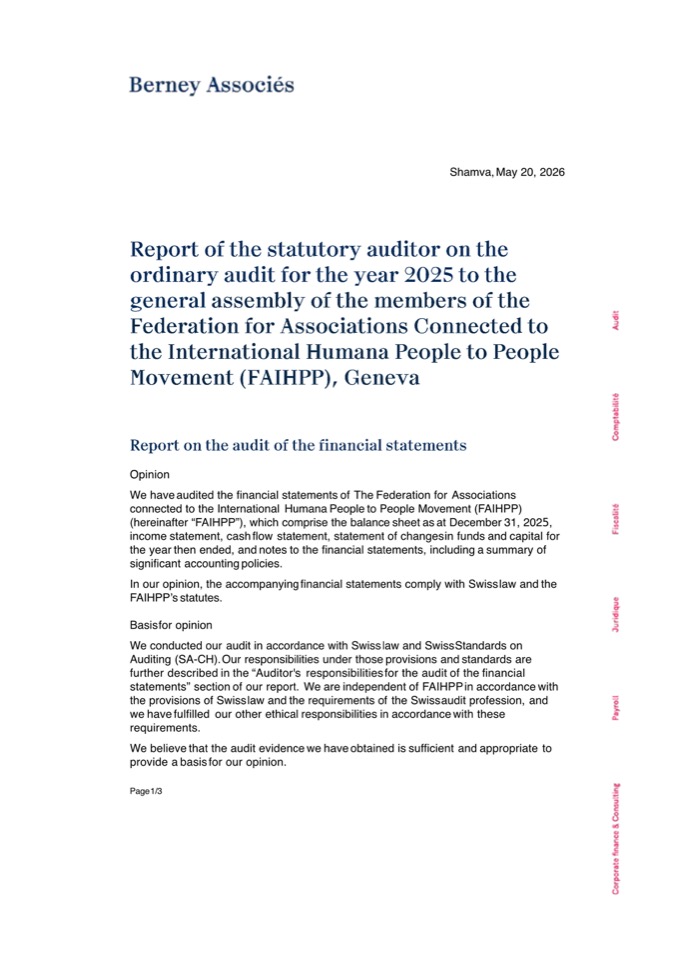
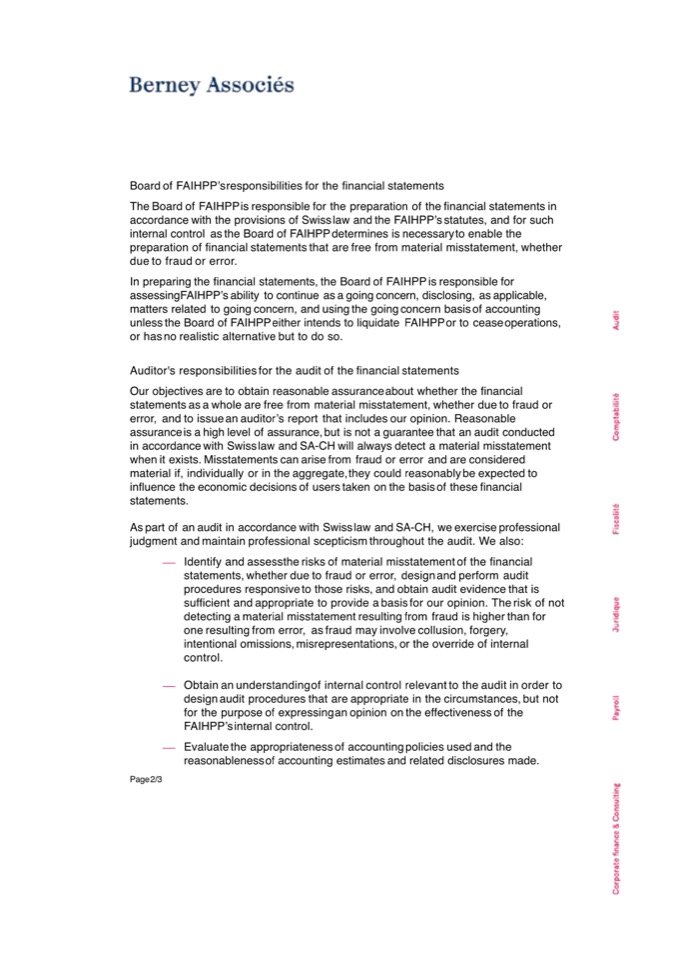
The Federation for Associations connected to the International Humana People to People Movement (the Federation) is a Swiss-registered association. It complies with Swiss standards for policies and procedures, risk assessment, and internal controls. Berney Associés SA audits our accounts in accordance with Swiss law and the International Standards of Auditing.
The General Assembly ultimately oversees the Federation and comprises the 30 member associations. The Federation’s Committee is accountable for both financial and operational activities and has a duty to report to all members.
Members of the Federation are audited in accordance with international financial and reporting standards. This includes funds received from global partners, which are also accounted for based on the terms specified in the partnership agreements.
As a Federation, we are primarily accountable to two groups: first, our members, who work in some of the most challenging regions of the world, alongside their partners. Second, we are answerable to the people we reach through these programmes. We take this responsibility very seriously and address it through rigorous monitoring, auditing, and reporting of all activities, in addition to financials.
Sources of Funding
35.7%
Governments
23.1%
Funds raised through
second-hand clothing
second-hand clothing
24.8%
Multilateral
support
support
11.1%
Companies, foundations
and NGOs
and NGOs
5.3%
Other income
TOTAL
100%
Expenditure of Funding
43.7%
Health
26.3%
Education
16.2%
Community
Development
Development
11.8%
Agriculture
and
Environment
Environment
2.0%
Humanitarian
Action
Action
TOTAL
100%
In 2025, our members spent approximately US$111 million on education and social development projects worldwide.
Income generated through development partnerships accounted for the majority of our total income at 71.6%, while 23.1% was derived from the collection and sale of second-hand clothes. Other income makes up the remaining 5.3%.
45
46
47
Humana People to People - Progress Report 2025
48
Good Governance
We are committed to the highest standards of accountability, transparency, and good governance.
The Federation Humana People to People has been certified through an external audit by ACPO SA of Switzerland for governance policies, procedures and their implementation, using the NGO Governance Benchmark by NGO Governance Standards SA of Geneva, Switzerland. The standard was developed by Société Générale de Surveillance (SGS) to provide non-governmental organisations with a management tool to highlight their key strengths and weaknesses in their operations. It targets three key objectives: 1) show evidence of accountability, 2) strengthen trust concerning their donors, and 3) highlight areas of improvement to foster operational efficiency.
Our organisation received its first certification in 2018, was renewed in 2021 by SGS, and was ranked among the top 5% organisations certified under that system.
Partnerships
The projects and activities showcased in this Progress Report are the result of partnerships we greatly value. Partnerships between Humana People to People members and public and private funders make investments in social, economic, and human development possible. The members and partners engage in a mutually beneficial collaboration, built on shared visions and ideas, culminating in activities and projects where energy, experience, and resources drive progress. Truly, people-to-people efforts.
The Federation and its members are proud to collaborate with partners, including national and local governments, foundations, the private sector, multilateral agencies and international organisations.
We want to thank all our partners for their continued support and commitment to working with the people on the ground and pursuing much-needed development to achieve positive, lasting change.



49
Humana People to People - Progress Report 2025
Legal information
Name:
The Federation
for Associations connected to the International
Humana People to People Movement
Registration:
The Federation is a Swiss Association with
its international
headquarters in Zimbabwe
Switzerland: Association | CHE-112.133.306
Zimbabwe:
Private Volunteer Organisation | Reg. 29/96
List of members
AFRICA
- Ajuda de Desenvolvimento de Povo para Povo em Angola (Angola)
- Humana People to People Botswana (Botswana)
- Humana People to People Congo (Democratic Republic of the Congo)
- Ajuda de Desenvolvimento de Povo para Povo ná Guiné Bissau (Guinea Bissau)
- Development Aid from People to People in Malawi (Malawi)
- Associação Moçambicana para a Ajuda de Desenvolvimento de Povo para Povo (Mozambique)
- D.A.P.P. Namibia (Namibia)
- Humana People to People in South Africa (South Africa)
- Development Aid from People to People in Zambia (Zambia)
- Development Aid from People to People in Zimbabwe (Zimbabwe)
AMERICAS
- Humana People to People Belize (Belize)
- Associação Humana Povo para Povo em Brasil (Brazil)
- Fundación Humana Pueblo a Pueblo - Ecuador (Ecuador)
- Planet Aid, Inc. (USA)
ASIA
- Humana People to People India (India)
- Padthana Sangkhom Association, Lao P.D.R
EUROPE
- HUMANA People to People - Verein für Entwicklungszusammenarbeit (Austria)
- U-landshjælp fra Folk til Folk - Humana People to People (Denmark)
- Ühendus Humana Estonia (Estonia)
- U-landshjälp från Folk till Folk i Finland sr (Finland)
- Humana People to People France (France)
- HUMANA People to People Deutschland e.V. (Germany)
- HUMANA People to People Italia ETS (Italy)
- HUMANA People to People Baltic (Lithuania)
- U-landshjelp fra Folk til Folk (Norway)
- Associação Humana (Portugal)
- Humana d.o.o. (Slovenia)
- HUMANA Fundación Pueblo para Pueblo (Spain)
- HUMANA Sverige, Miljö- och Biståndsförening (Sweden)
- Planet Aid UK Ltd (UK)
50
Contact information
The Federation
for Associations connected to The International HUMANA PEOPLE TO PEOPLE
AFRICA Angola
Botswana Democratic Republic of
the Congo Guinea
Bissau Malawi
Mozambique
Namibia South
Africa Zambia
Zimbabwe ASIA China
India
Laos AMERICAS
Belize
Brazil
Ecuador United States of
America EUROPE
Austria
Denmark
Estonia
Finland
France
Germany
Italy
Lithuania
Norway
Portugal
Slovenia
Spain
Sweden United
Kingdom
ADPP
Angola
Rua João de Barros 28 Luanda
Tel: +244 912
310860
www.adpp-angola.org
adpp@adpp-angola.org
Humana People to People Botswana
Plot 823 Pabalelo
Way | Extension 2 | Gaborone
Tel: +267 391 36
50
www.hpp-botswana.org
mosesjz@humanabotswana.co.bw
Humana People to People Congo
31 Avenue Katako Kombe II
Q. Joli Parc
C. Ngaliema, Kinshasa
Tel: +243 81 161
5225
www.hpp-congo.org
B.S@HPP-congo.org
ADPP Guiné Bissau
Bairro Internacional, Rua 4
Av.
Combatentes da Liberdade da Pátria
Caixa Postal 420 | Bissau
Tel: +245 96 695
5000 / 95 565 0783
www.adpp-gb.org
adpp@adpp-gb.org
DAPP
Malawi
Plot No. CC 1086, Maselema, Limbe,
Blantyre District, Malawi
Tel:
+265 885834277
www.dapp-malawi.org
info@dapp-malawi.org
ADPP Mozambique
Avenida Massacre de Wiriamo
258
Machava | Maputo Province
Tel: +258 21 750 106 | Cell: +258
823092050
www.adpp-mozambique.org
adpp@adpp-mozambique.org
DAPP Namibia
Blenkinsop Street 6 | Windhoek
North
P.O. Box 26660, Windhoek
Tel: +264 61 258
220
www.dapp-namibia.org
dappnamibia@iway.na
Humana People to People South Africa
5/11 Richmond Road |
Pinetown 3610
P.O. Box 15339 | Ashwood 3605
Tel: +27 31 701
9280
www.hpp-sa.org
hppsa@hpp-sa.org
DAPP
Zambia
12 Luneta Rd, Northrise | Ndola
P.O. Box 70505
Tel: +260 975
251222
www.dappzambia.org
info@dappzambia.org
DAPP in Zimbabwe
Park Estate | Shamva
4
Kensington Road | Highlands
P.O. Box 4657 | Harare
Tel: +263 772 419705 | +263
772 419 703
www.dapp-zimbabwe.org
information@dapp-zimbabwe.org
The
Federation for Associations connected to the International Humana People to People
Movement (Switzerland)
Yunnan Representative Office
Apt. 802 | Unit 7 |
Building 3
Zhongchan Fengshang Residences
349 Chuanjin Road | Panlong
District,
650 224 Kunming City | Yunnan Province
Tel.:+ 86 871 63640018 | +86
18206837073
www.hppchina.org.cn
info@HPPchina.org.cn
Humana People to People India
111/9-Z | Kishangarh |
Vasant Kunj New Delhi - 110070
Tel: +91 11 4746
2222
www.humana-india.org
info@humana-india.org
Padthana Sangkhom Association, Lao P.D.R.
Ban Huaysiat
Rd 13, Pakxan District, Bolikhamxay Province
Tel: +856 20 7760
4702
www.hpp-laos.org
phadthanasangkomassociation@gmail.com
Humana People to People Belize
Monkey River Rd. (via
Independence) Toledo District | Belize CA
Tel. +501 678
9943
www.humana-belize.org
info@humana-belize.org
Associação Humana Povo para Povo Brasil
Rua Humberto
Machado 11B Piata | CEP 41.650-096 Salvador
Tel.+55 71 99294
1155
www.humanabrasil.org
info@humanabrasil.org
Humana Pueblo para Pueblo - Ecuador
Antonio Navarro
N31-44 y Alpallana
Conjunto Jardines de la Pradera | Oficina 402, Quito
Tel:
+593 95 923 0127
www.humana-ecuador.org
info@humana-ecuador.org
Planet Aid, Inc.
6730 Santa Barbara Court | Elkridge |
Maryland 21075
Tel: +1 410 796-1510
www.planetaid.org
info@planetaid.org
HUMANA People to People - Verein für
Entwicklungszusammenarbeit
Perfektastrasse 83 | 1230 Wien
Tel: +43 1 869 38
13
www.humana.at
info@humana.at
UFF-Humana, Sandvadsvej 1, 4600 Køge, Denmark.
Phone:
+ 45 23 65 67 30 or +45 23 34 42 98
www.uff.dk
info@uff.dk
Ühendus Humana Estonia
Jälgimäe tee 13 | 76406
Tänassilma
Tel: +372 601 2955
www.humanae.ee
info@humanae.ee
U-landshjälp från Folk till Folk i Finland
sr
Järvihaantie 12 | 01800 Klaukkala
Tel: 35 89 276 47
60
www.uff.fi
info@uff.fi
Humana People to People France
23, Rue Royale | 69001
Lyon
www.humana-france.org
info@humana-france.org
Humana People to People Deutschland
e.V.
Waldhausstraße. 7 | 51069 Köln
Tel.
+49-221-5000456
www.humanapeopletopeople.de
info@humanapeopletopeople.de
HUMANA People to People Italia ETS
Via Bergamo 9B |
20006 Pregnana Milanese, (MI)
Tel: +39 02 93 96
401
www.humanaitalia.org
info@humanaitalia.org
Humana People to People Baltic
Kibirkšties str.
6
LT-02242 Vilnius | Lithuania
+370 615 75 110 | +370 5 215 74
83
www.humana.lt
U-landshjelp fra Folk til Folk, Norge
Lindebergvegen
3c | N-2016 Frogner
Tel: +47 63 92 89 80
www.uffnorge.org
post@uffnorge.org
Associação Humana
Urbanização do Passil | Rua B,
104
Armazém A | 2890-171 - Alcochete | Portugal
Tel: +351 212 801
587
www.humana-portugal.org
info@humana-portugal.org
Humana d.o.o.
Cesta 24. junija 23 | 1231
Ljubljana-Crnuce
Tel: +386 (0)1 511 68 39
www.humana.si
info@humana.si
HUMANA Fundación Pueblo para Pueblo
Polígono Industrial
l’Ametlla Park
c/ Aiguafreda 12
08480 | L’Ametlla del Vallès |
Barcelona
Tel: +34 93 840 21 82
www.humana-spain.org
info@humana-spain.org
HUMANA Sverige, Miljö- & Biståndsförening
Sjövägen 2 |
746 31 Bålsta
Tel: +46 (0)171
463810
www.humanasverige.se
humana@humanasverige.se
Planet Aid UK Ltd,
33 Maylan Road -| Earlstrees
Industrial Estate
Corby Northants NN17 4DR
Tel: +44 1536 400
721
www.planetaid-uk.org
othomsen@planetaid-uk.org
51
UFF
52